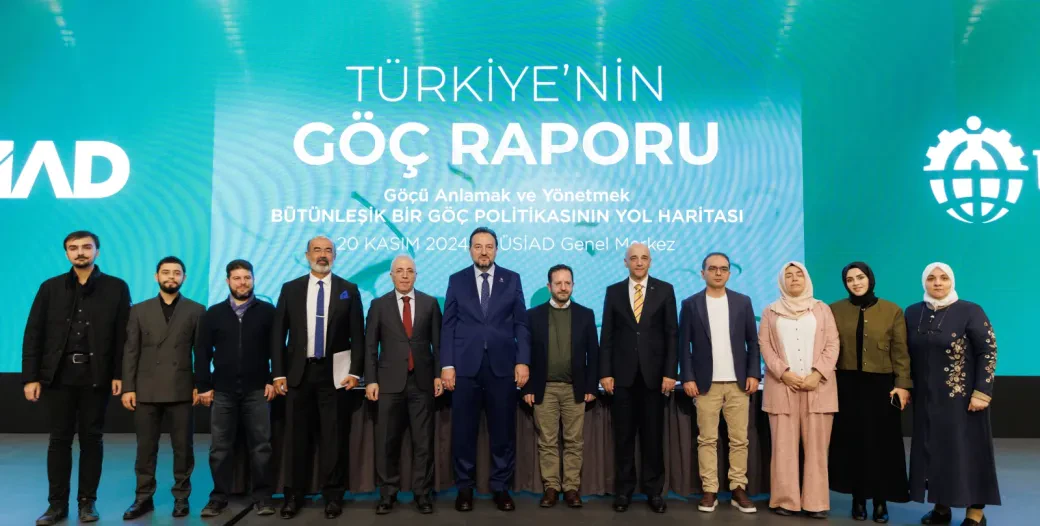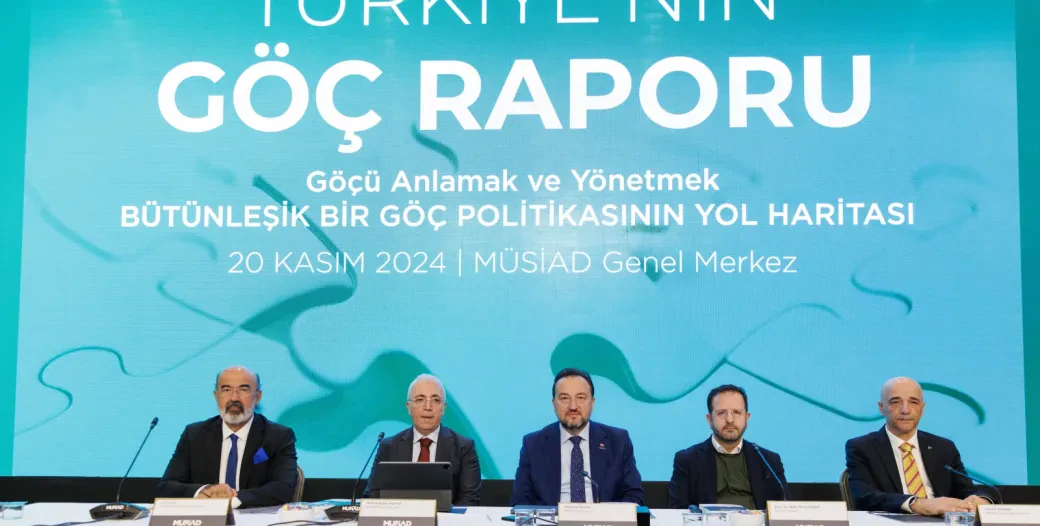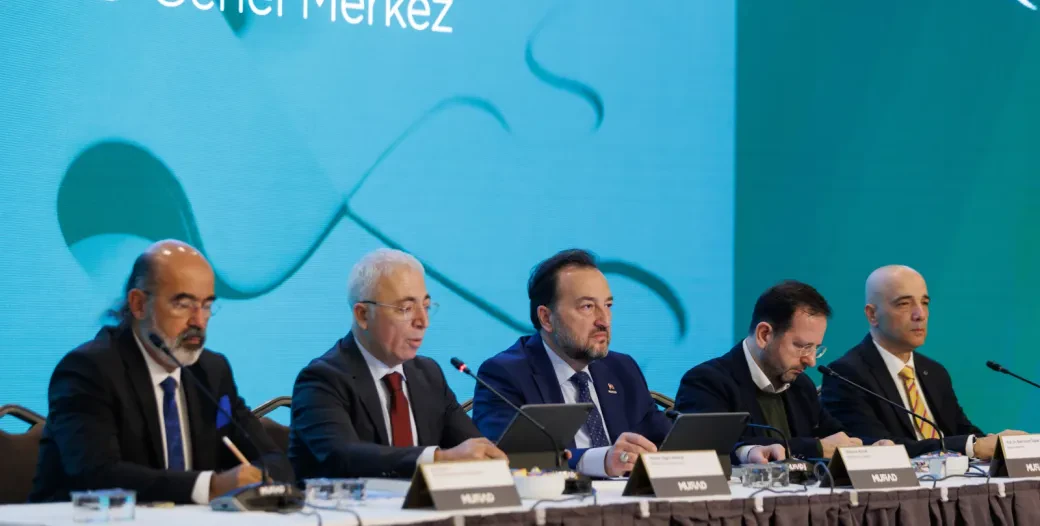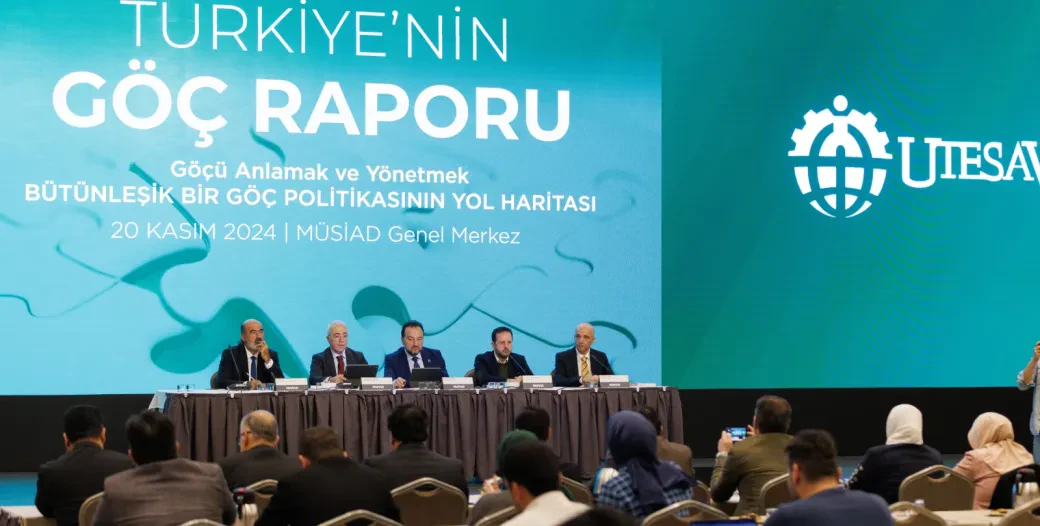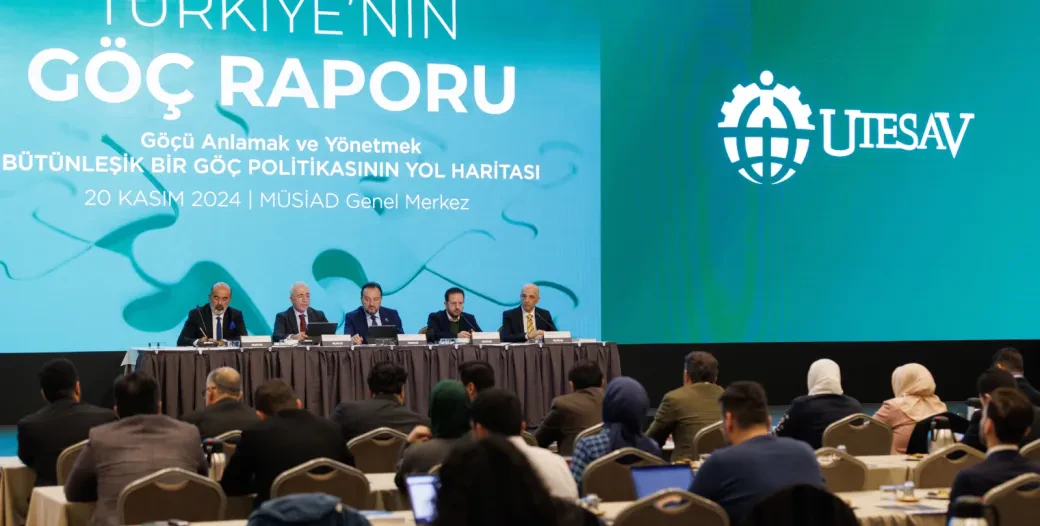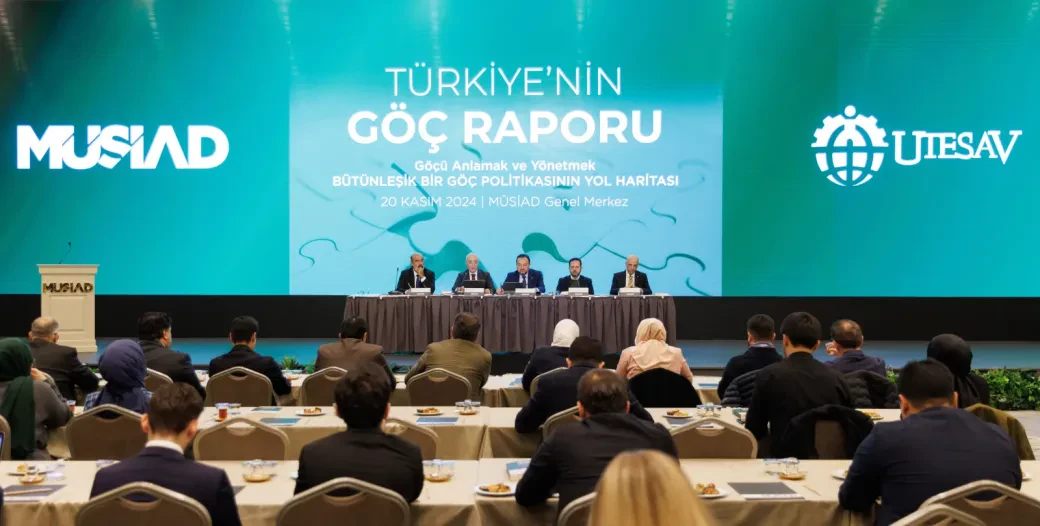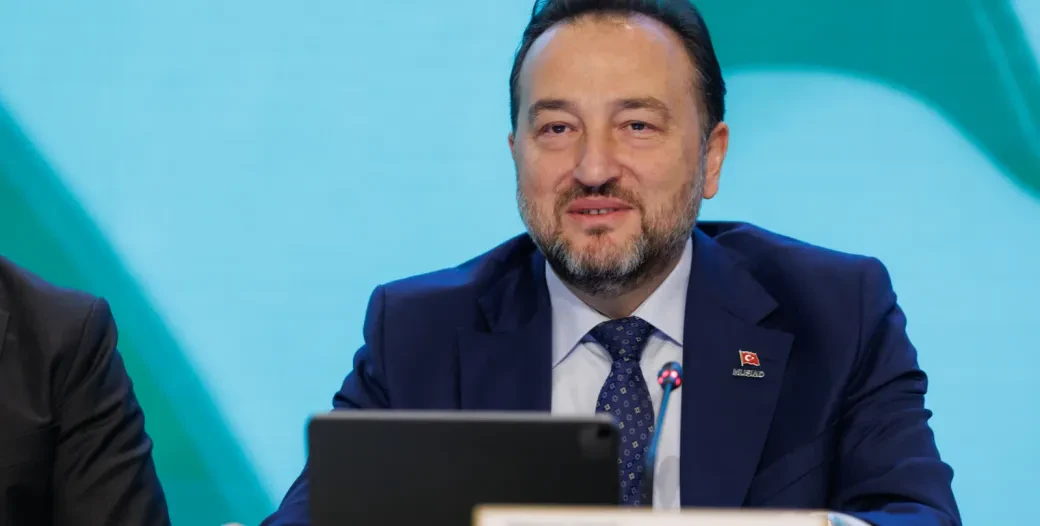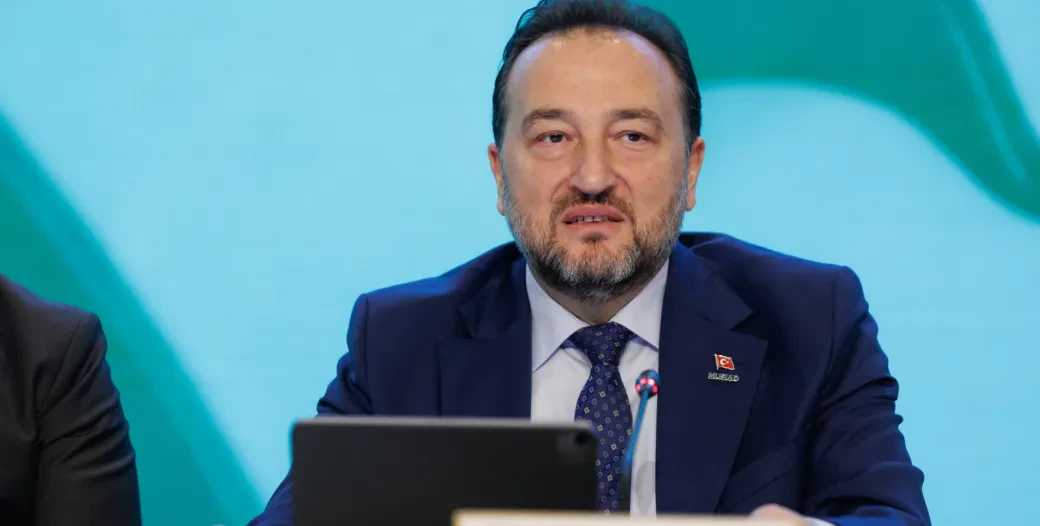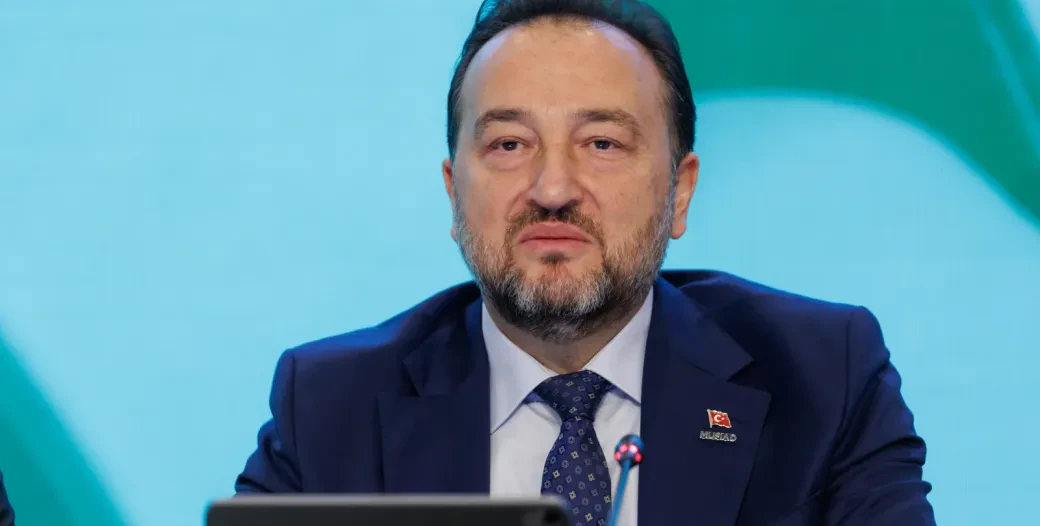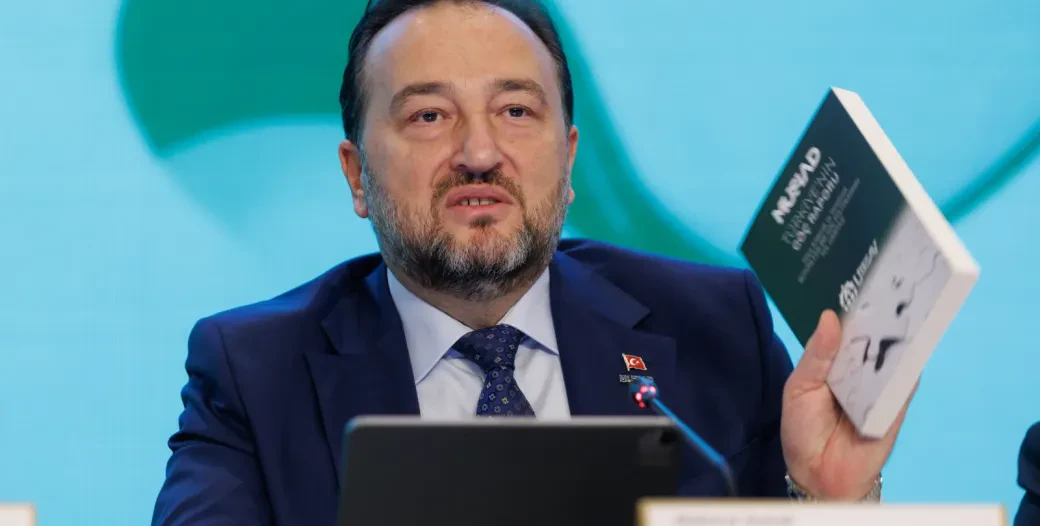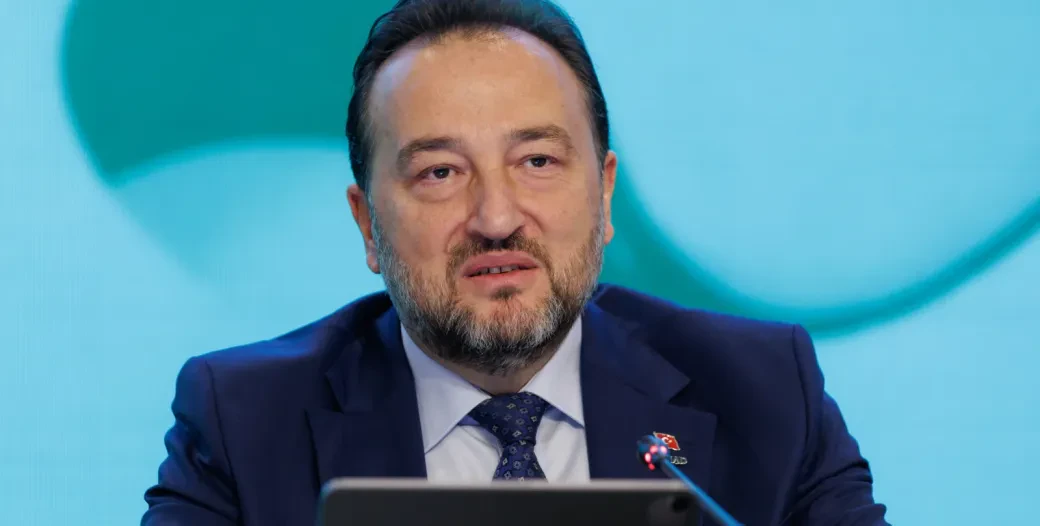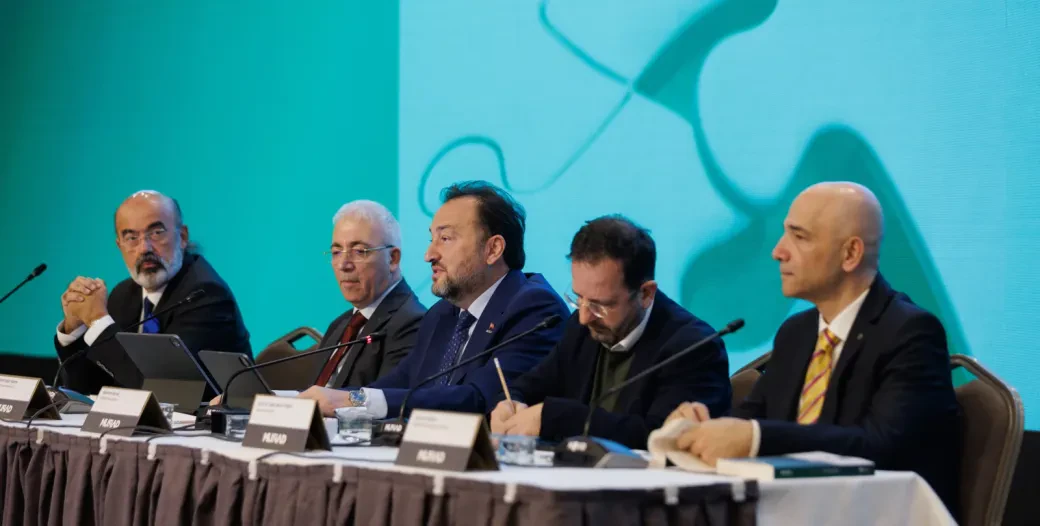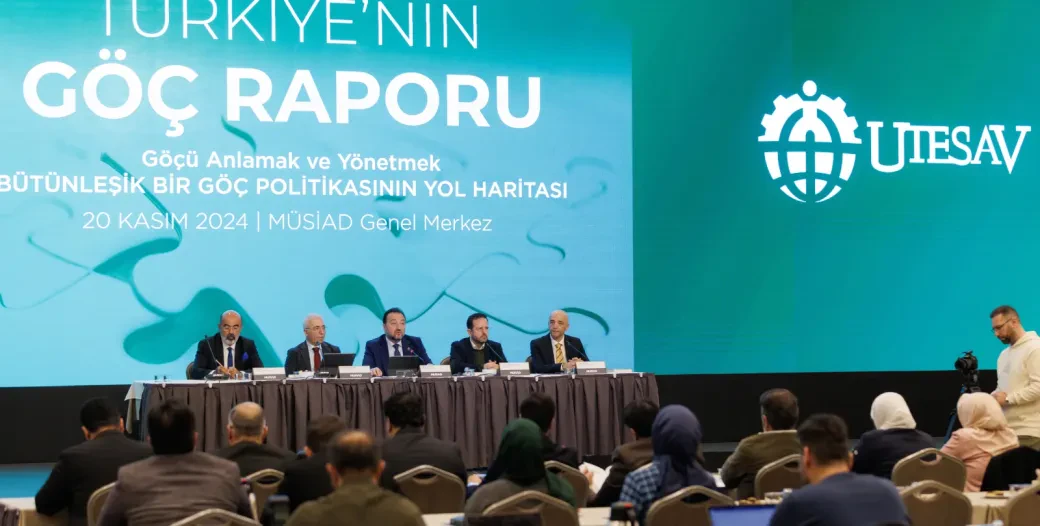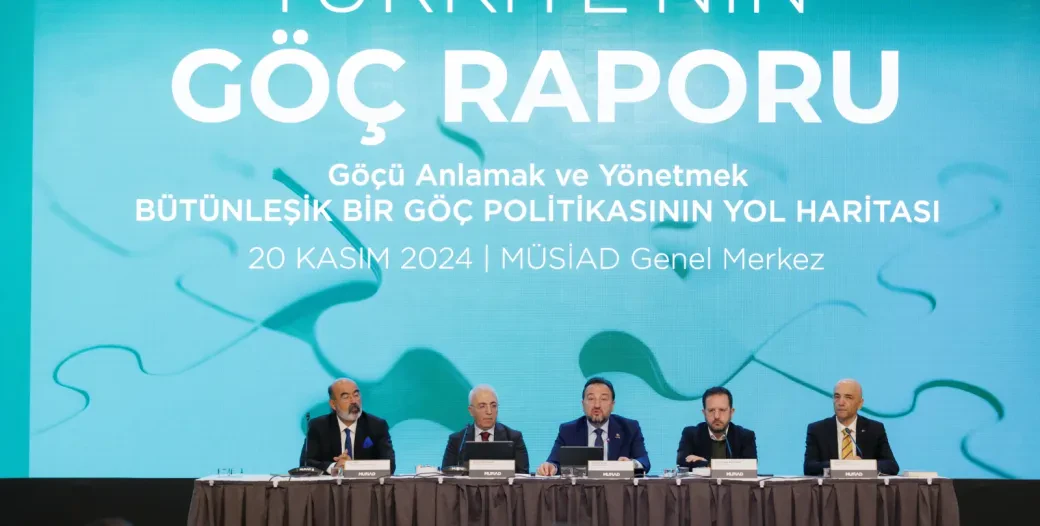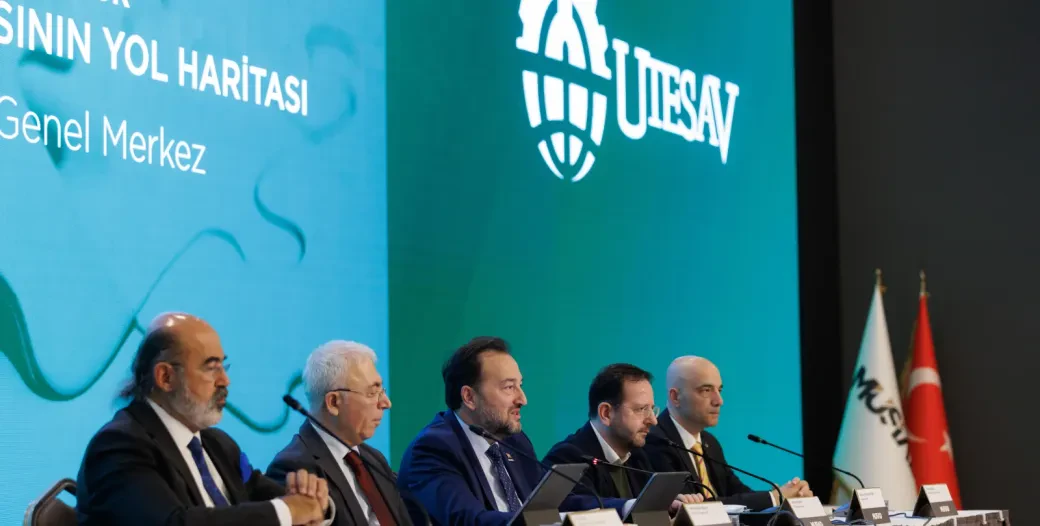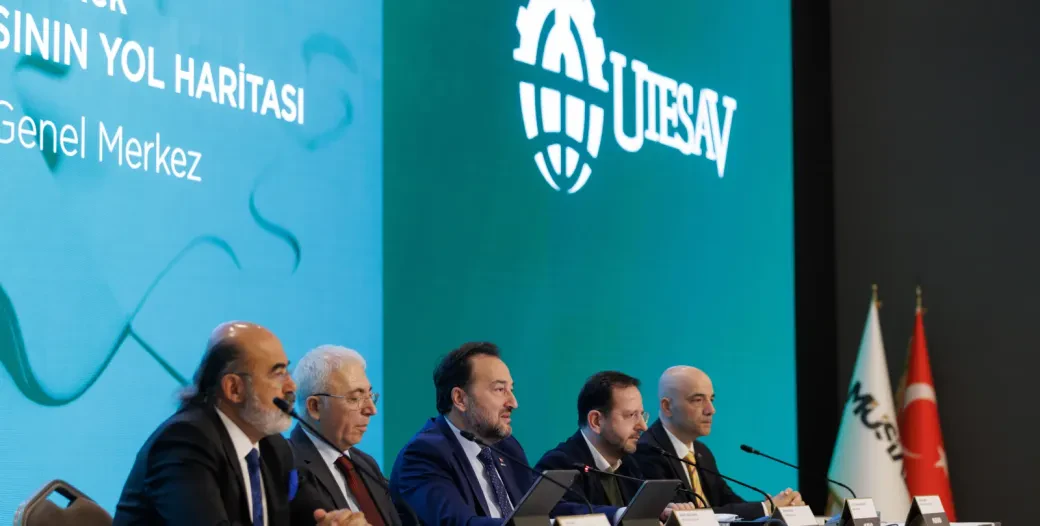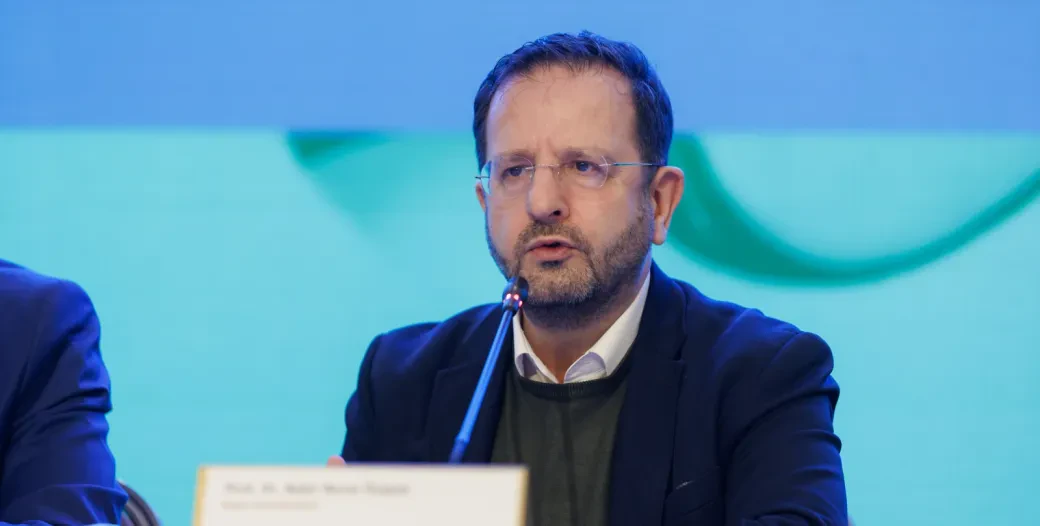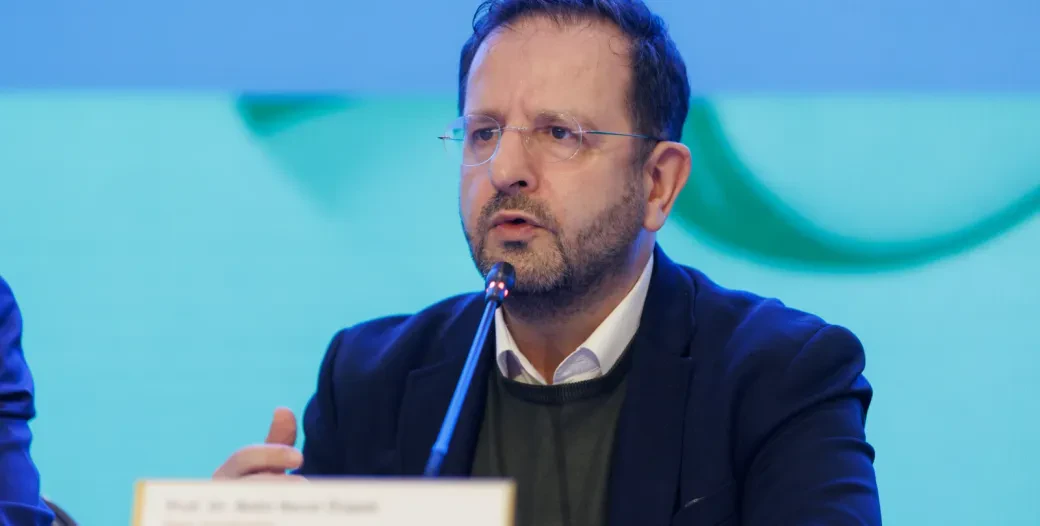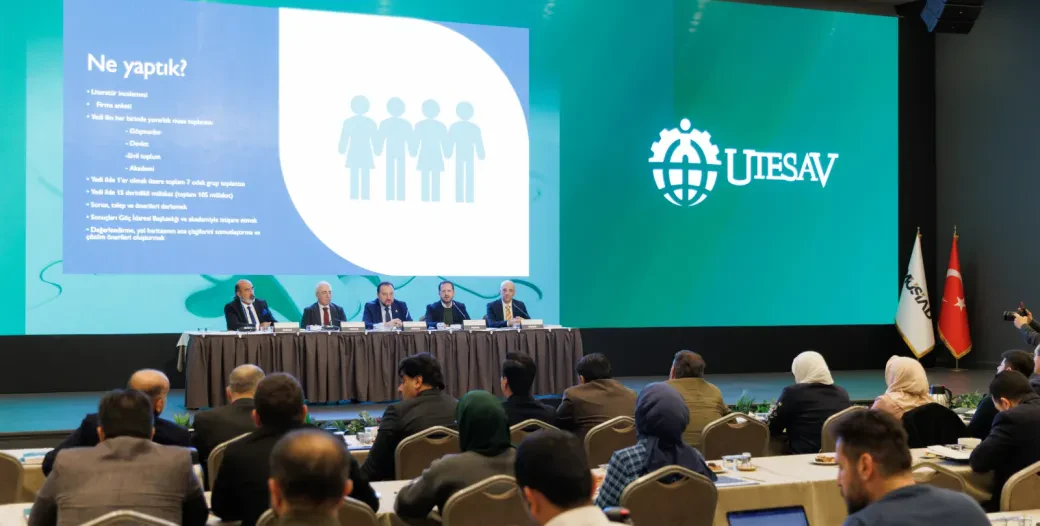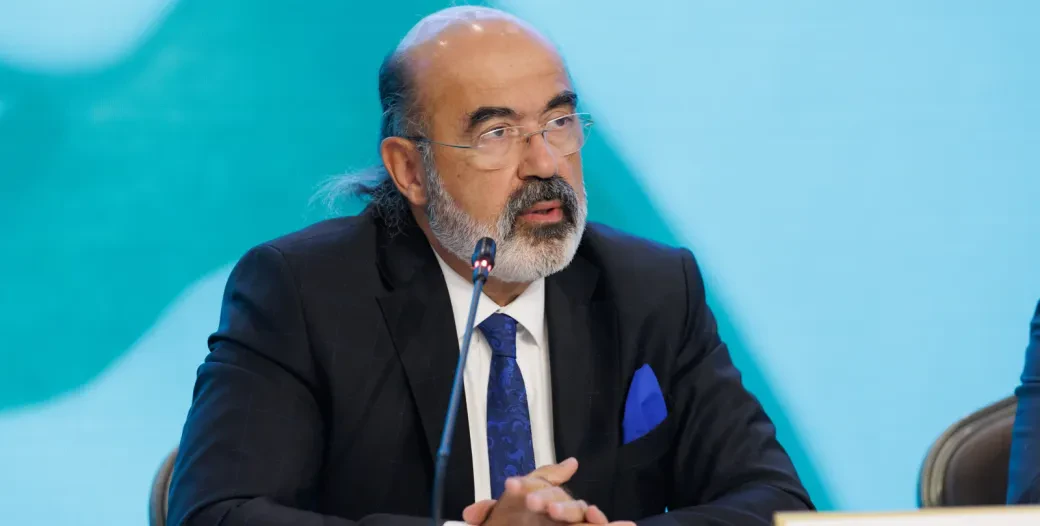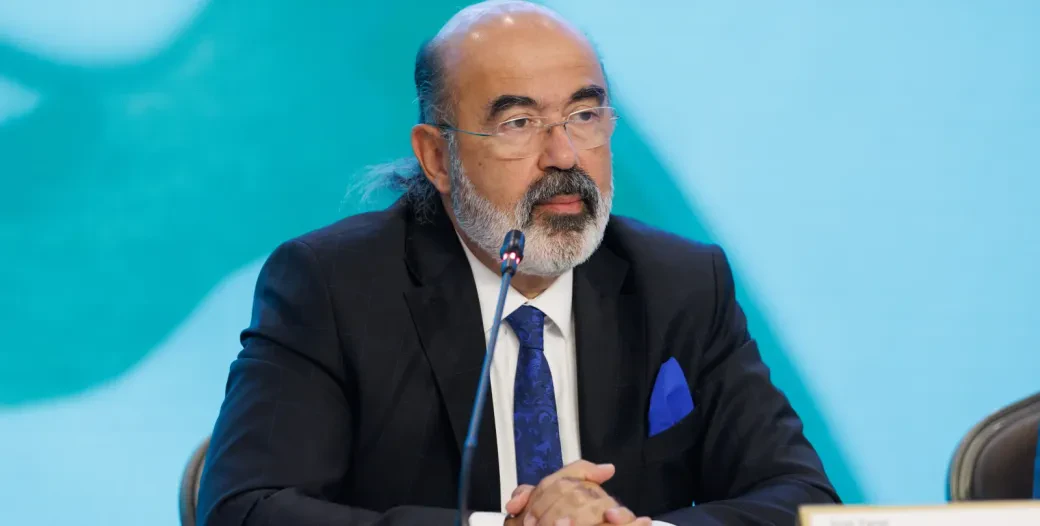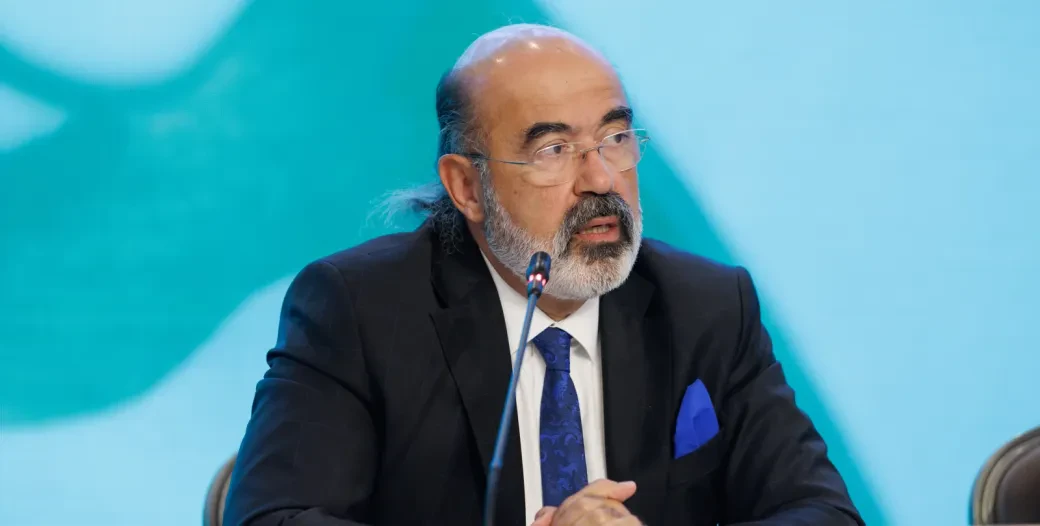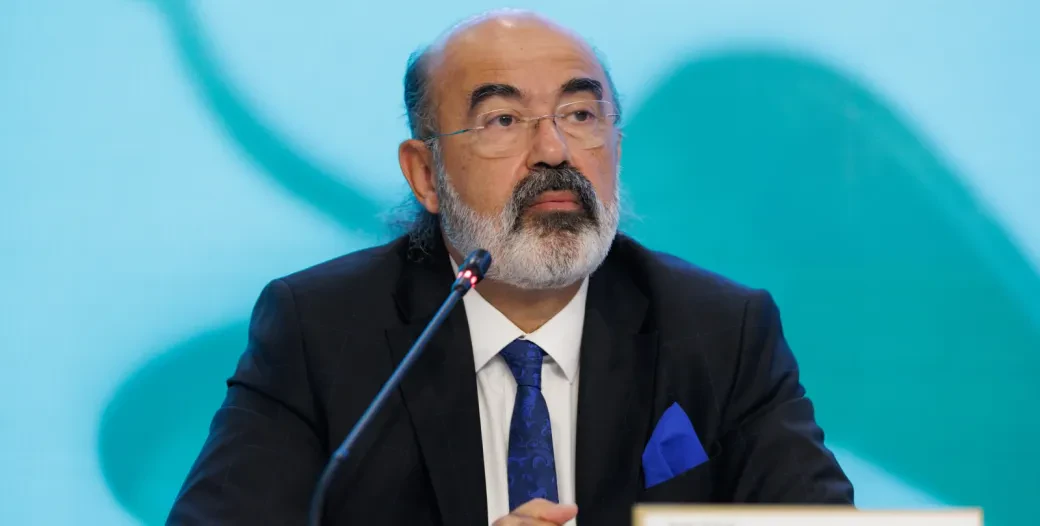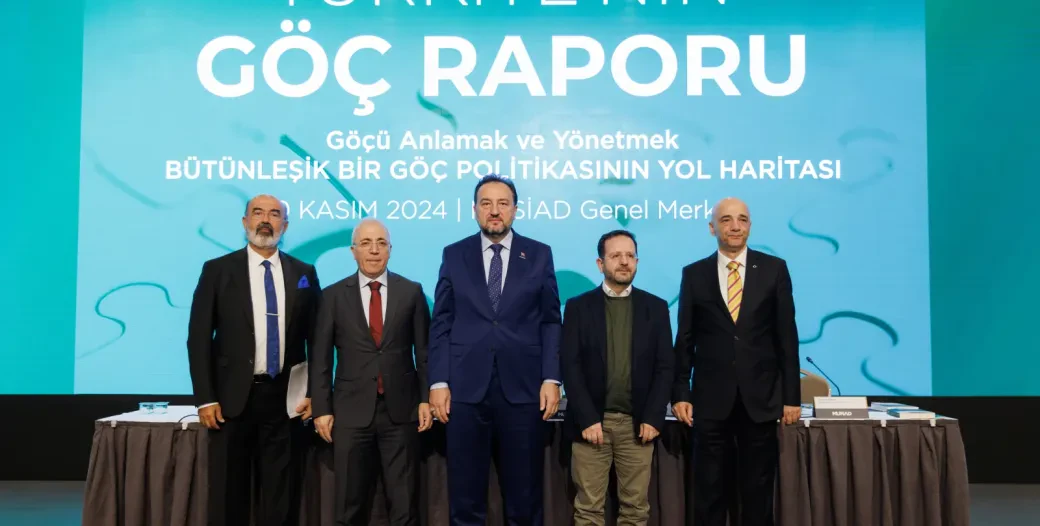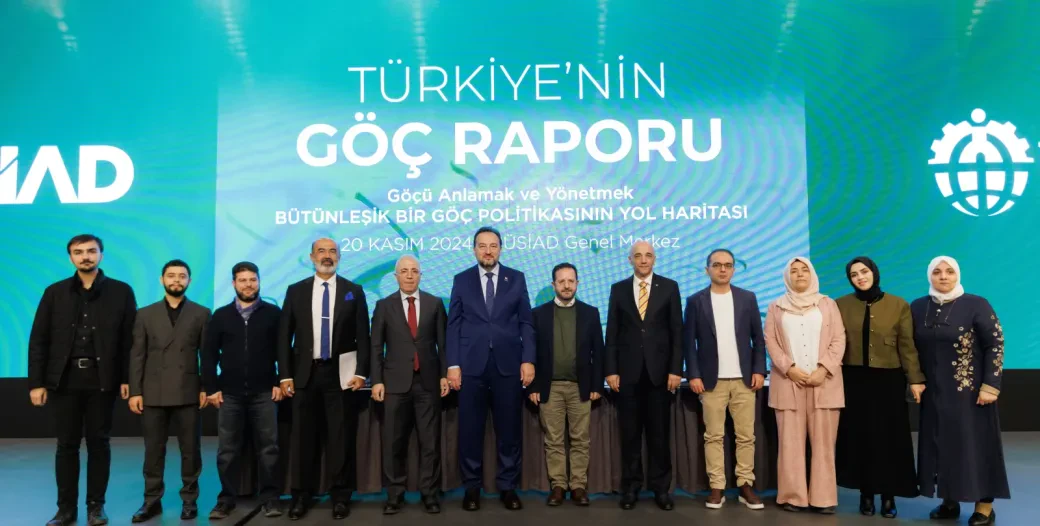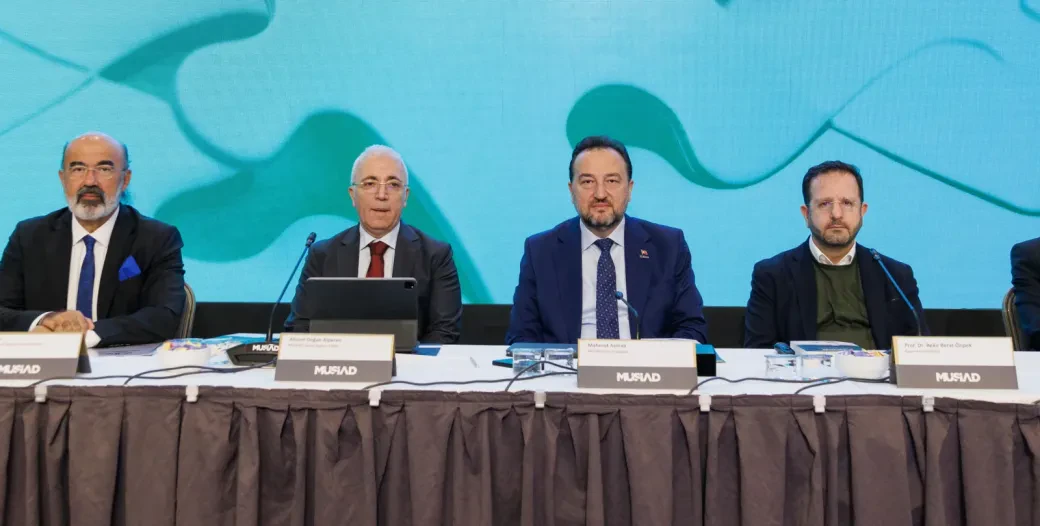
The study titled “Türkiye's Migration Report: The Road Map of an Integrated Migration Policy”, prepared and shared with the public by International Technological, Economic and Social Research (UTESAV) and the Independent Industrialists and Businessmen Association (MÜSİAD), was introduced today at a press conference. In addition to the academics who prepared the report, MÜSİAD President Mahmut Asmalı, UTESAV President Ahmet Doğan Alperen, IBF President Erol Yarar and Prof. Dr. Bekir Berat Özipek, who is both the editor and an author of the report, attended the press conference held at the MÜSİAD Head Office. Emphasizing that migration, when managed correctly, is an opportunity that provides social, economic and cultural enrichment rather than a crisis, the report serves as a guide for Türkiye's migration policies.
An Integrated Approach to Migration Management
The report examines in detail the steps Türkiye has taken in the face of the increasing waves of migration since 2011. It offers recommendations in particular for the integration into economic and social life of migrants coming from Syria, Afghanistan and other countries. While the strategic importance of Türkiye's current migration policies is emphasized, the necessity of stronger cooperation between the state, civil society organizations and the private sector is brought to the fore.
MÜSİAD President Mahmut Asmalı used the following expressions in his speech at the launch of the report:
“Migration is not merely a crisis; when managed correctly, it can be a great opportunity. Türkiye's economy, culture and society are strong enough to benefit from this dynamism. Our report was prepared in order to reveal these opportunities and to contribute to the formation of correct policies. We believe that Türkiye can establish a regional and global model in migration management. Today the causes of migration have become more complex and profound. Wars, political pressures, economic instabilities, the disasters created by the climate crisis and threats to people's safety of life are forcing millions of people to migrate from where they live. Wars in particular push people to leave their homes suddenly and often unprepared.”
Stating that the issue of migration must be addressed with all its components, Asmalı emphasized that migration affects the societies that receive migrants as much as the people who migrate. Expressing that the receiving society sees migrants as an element of threat and a danger, Asmalı included the following expressions in his speech:
“In countries that receive migration, people generally perceive the newcomers as a threat or a burden. New migrants, bringing with them their cultural differences, language barriers and their own lifestyles, arouse concerns among the local population about identity, security and the economic future. As the distinction between “us” and “them” deepens within society, discrimination, prejudice and even hostility towards migrants steadily increase. People forced to leave their country because of war, oppression or economic crisis also feel excluded and othered in the places to which they migrate. This situation turns into a tension between the migrants' efforts to preserve their own identities and the local population's desire to preserve its social fabric. We must formulate a correct migration policy and now put it into practice.”
UTESAV President Ahmet Doğan Alperen, for his part, stated in his speech that migration is one of the most deep-rooted issues in the history of humanity and that it must be framed correctly. In his speech, Alperen included the following expressions:
Today, the migrations experienced in all four corners of the world, from Gaza to Yemen, from Africa to Syria, from Myanmar to Ukraine, are being written into the history of humanity as a tragedy. Today, millions of people are seeking a safer life, leaving behind their homes, their homelands and their memories. But this journey most often brings not the peace they expected, but more pain.
We cannot see migration merely as a change of place. It is a search for hope, a struggle to survive. But at the same time it is the story of homelands left behind, families torn apart and identities lost. Migration is a shared test not only for those who migrate but for all of us.”
Contribution to the Economy and Labour Force Potential
The research conducted within the scope of the report reveals that %75 of employers in Türkiye have difficulty finding local labour and expect support in making use of migrant labour. In this context, it is recommended that work permits be facilitated for migrants under temporary protection and that vocational training programmes be put into operation. Drawing attention to the fact that migrants' existing contributions to the economy could be increased, the report emphasizes that entrepreneurship should be encouraged.
Among the academics who contributed to the report are expert names such as Prof. Dr. Bekir Berat Özipek, Prof. Dr. Ömer Faruk Gençkaya, Prof. Dr. Ahmet Koyuncu, Assoc. Prof. Dr. Zeynep Burcu Uğur, Prof. Dr. Necmettin Doğan, Zabihullah Kokcha and Dr. Kinda Hawasli. The field research and analyses of these academics strengthened the scientific and applied dimension of the report.
Prof. Dr. Bekir Berat Özipek emphasized the importance of the report's preparation process with these words:
“Migration holds great potential in social and economic terms. However, realizing this potential is possible only through integrated policies and the cooperation of every segment of society. Together with all our academics, we too devoted considerable effort to this report. We held lengthy meetings with focus groups in a total of 7 provinces. In 15 different groups, we conducted a total of 105 interviews and turned these results into a report. The main subject we highlight in the report is that 'Migration is not a problem but a process that must be managed'.”
This comprehensive report, which emerged from the joint work of UTESAV and MÜSİAD, emphasizes that Türkiye needs a holistic understanding in migration management. Pointing to the potential to develop a model that could serve as an example both nationally and internationally, the report aims to increase migrants' contributions to the economy, to strengthen social cohesion and to deepen international cooperation.
The International Business Forum (IBF) Will Address the Issue of Migration on 25 November
IBF President Erol Yarar, who attended the meeting, made statements regarding the 28th IBF Congress to be held at Tüyap İstanbul on 25 November 2024. Emphasizing that this year's theme of the IBF Congress will be “Migration in Humanitarian and Economic Terms”, Yarar pointed out that migration is the oldest phenomenon in the history of humanity. Also noting that the Islamic World took a migration as the basis for the beginning of a calendar, Yarar used the following expressions:
“Human history begins with a migration, with the descent of the Prophet Adam (peace be upon him) to the earth. The beginning of time accepted by the Islamic World is also a migration. Our Prophet's migration from Mecca to Medina has been accepted as the beginning of a calendar. Migration is that important and profound an issue. This year, at our IBF Congress, we too will address the humanitarian and economic dimensions of migration from an international perspective. The subject we will discuss here is not the question of whether migration is good or bad. The real issue is how migration is managed, what it is directed towards and what work is being carried out in the international arena. As IBF, as MÜSİAD and as UTESAV, we say that a holistic migration policy must be established. Projects must be put forward and the social integration of migrants must be ensured. It must also never be forgotten that migration is essentially the story of a search. This year, on 25 November, just before our MÜSİAD EXPO 2024 program, we will discuss these issues at the Tüyap Fair and Congress Centre. Very important speakers from the international arena will be with us. We will reflect on the significant issues of the Islamic World. God willing, we will set out legal, humanitarian and economic policies.”
CLICK HERE TO ACCESS THE REPORT