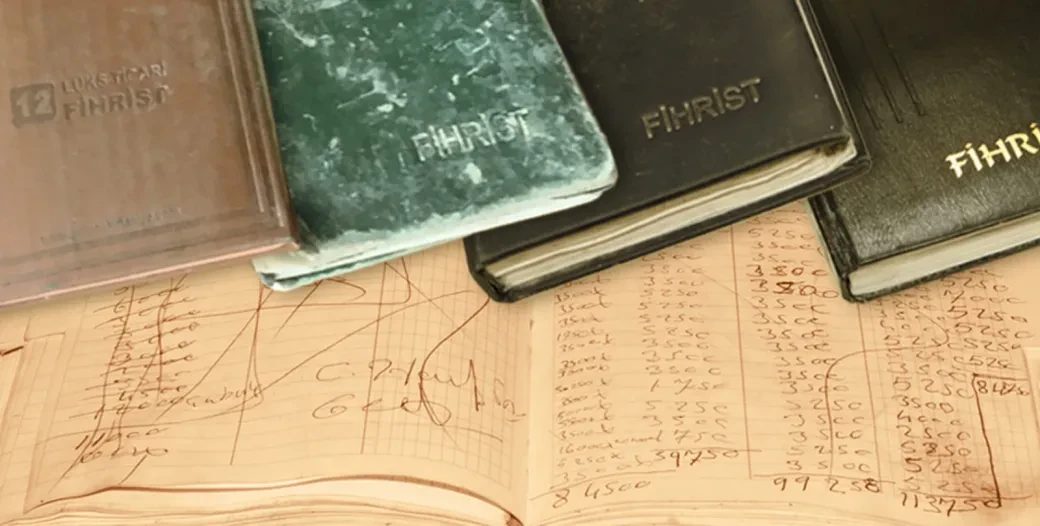
MÜSİAD is continuing the Zimem (credit) Ledger tradition inherited from the Ottoman Empire this Ramadan as well. Sharing his assessments on the subject, MÜSİAD President Mahmut Asmalı expressed that a hand is extended to citizens in need through the Zimem Ledger practice.
The Independent Industrialists and Businessmen Association (MÜSİAD), while continuing its work without interruption to heal wounds in the disaster region after the severe earthquakes centred on Kahramanmaraş, is also keeping alive the ancient traditions of Anatolia with practices such as Qard al-Hasan and the Zimem Ledger.
MÜSİAD, which provides interest-free or grant capital support to its members affected by the earthquake through the Qard al-Hasan initiative, is also extending a hand to citizens in need with the Zimem Ledger.
The Zimem Ledger tradition is continued throughout the year
Sharing his assessments regarding the Zimem Ledger tradition, MÜSİAD President Mahmut Asmalı stated that citizens in need and small tradesmen are supported through the practice.
In his statement President Asmalı used the following expressions: "With the Zimem Ledgers initiative our benevolent members buy the credit ledgers of our needy and aggrieved brothers and sisters by dealing only with the sellers, thereby displaying a beautiful and acceptable example of charity".
Underlining that the practice is continued throughout the year, mostly during the month of Ramadan, President Asmalı called on benevolent business people to contribute to this beautiful practice on the occasion of the month of Ramadan and to bring joy to those in need.
What is the Zimem Ledger?
The Zimem Ledger; known today as the credit ledger, refers to a purchased good being noted down by the seller and the buyer being put into debt for the future. In the Ottoman Empire wealthy people would buy zimem ledgers by paying all the debts written in them.
One of the points that makes the practice special is that, in fidelity to the hadith "let the left hand not see what the right hand gives", the debtor and the person paying the debt do not see or know one another. The Zimem Ledger, the elegant method of competing in good works and of mutual aid in which the receiving hand does not know the giving hand, is continued by MÜSİAD members as an example of solidarity.
MÜSİAD Continues the Zimem Ledger Tradition This Ramadan as Well
News from MÜSİAD