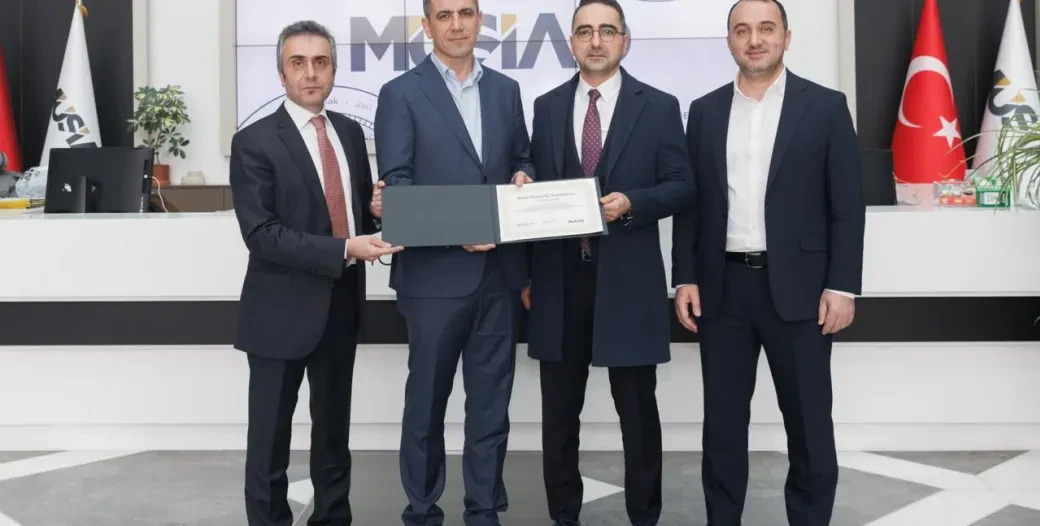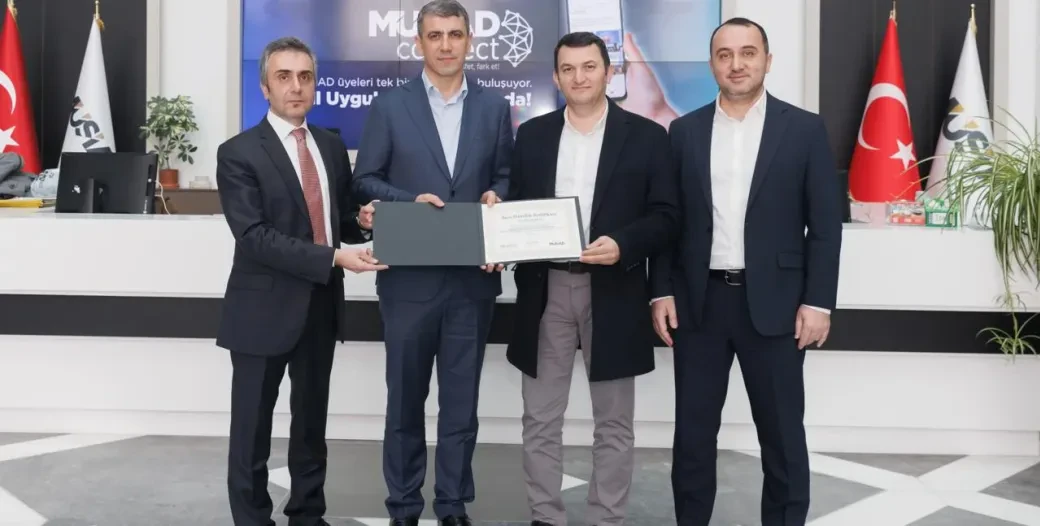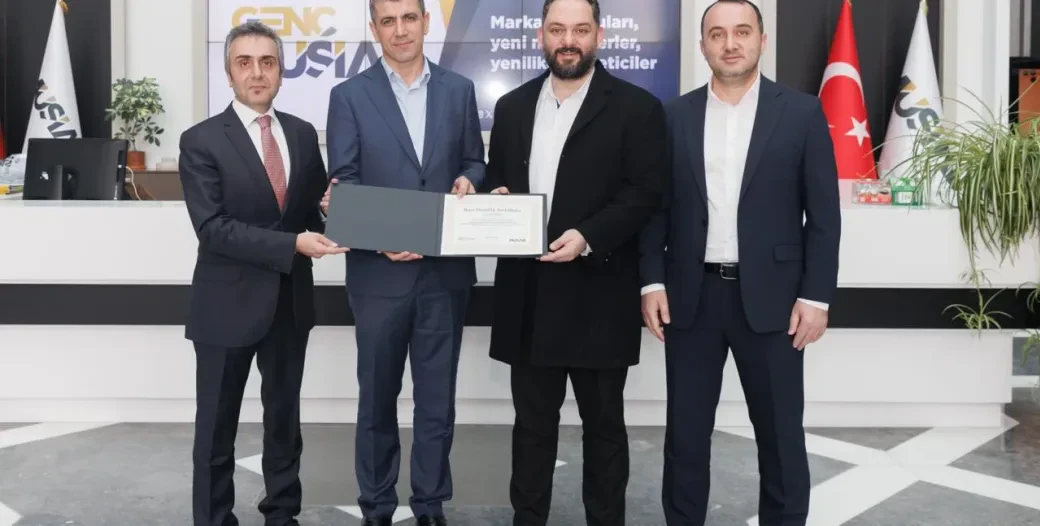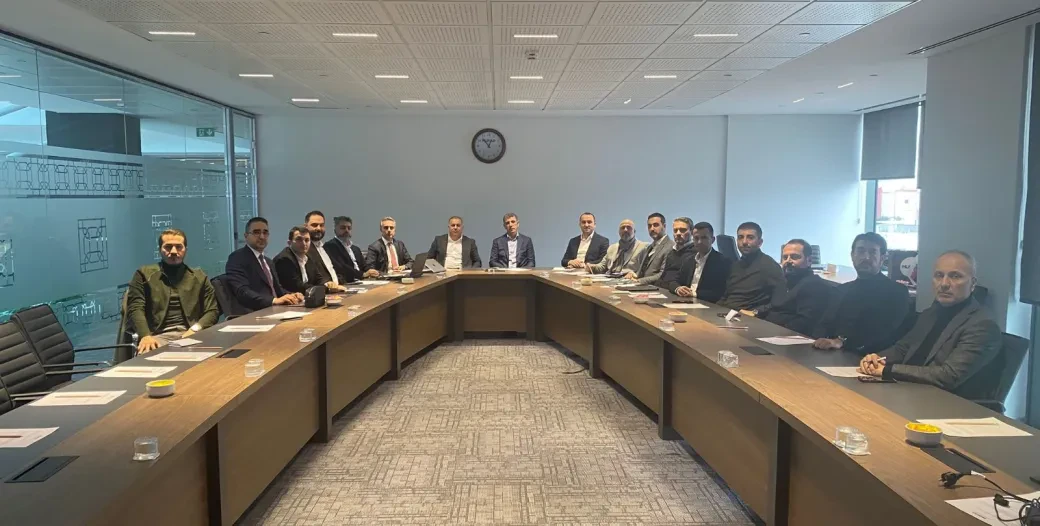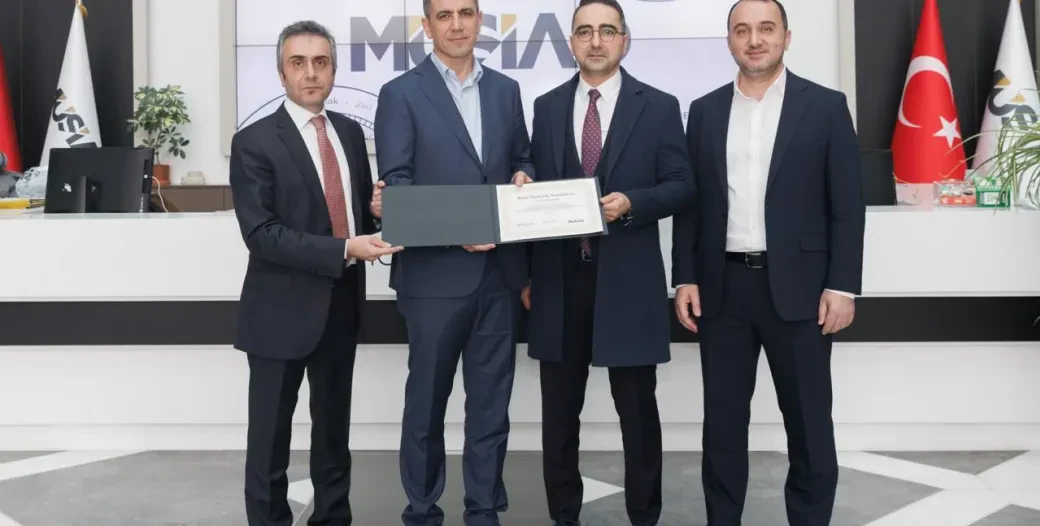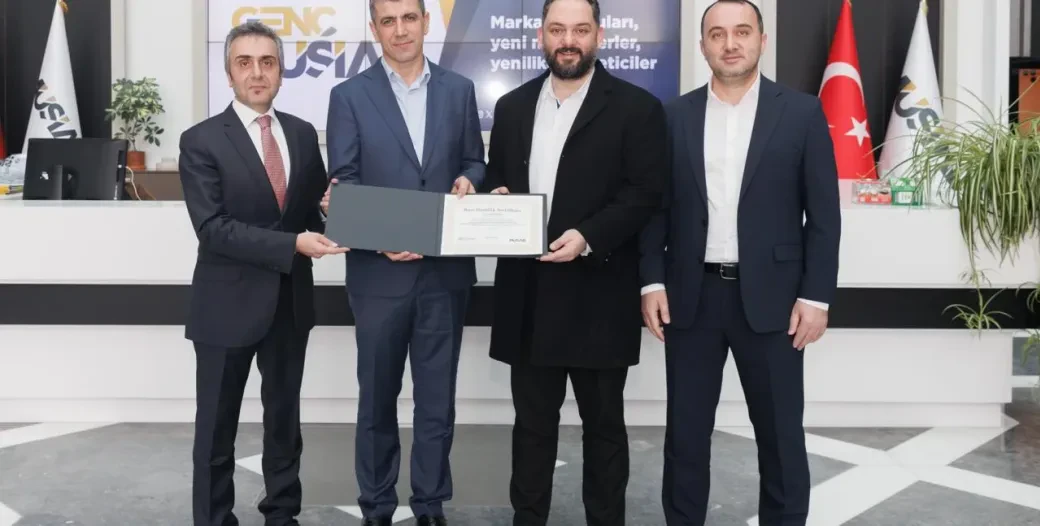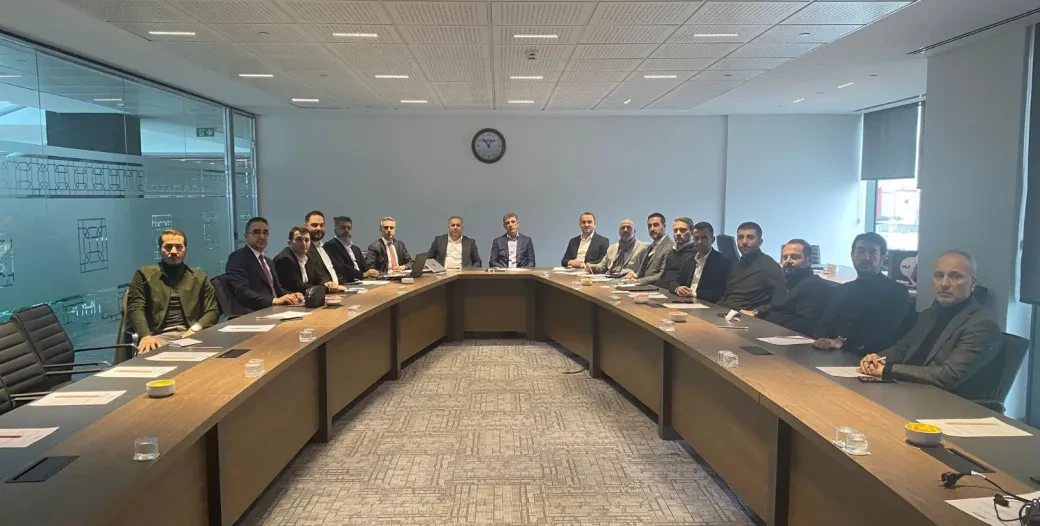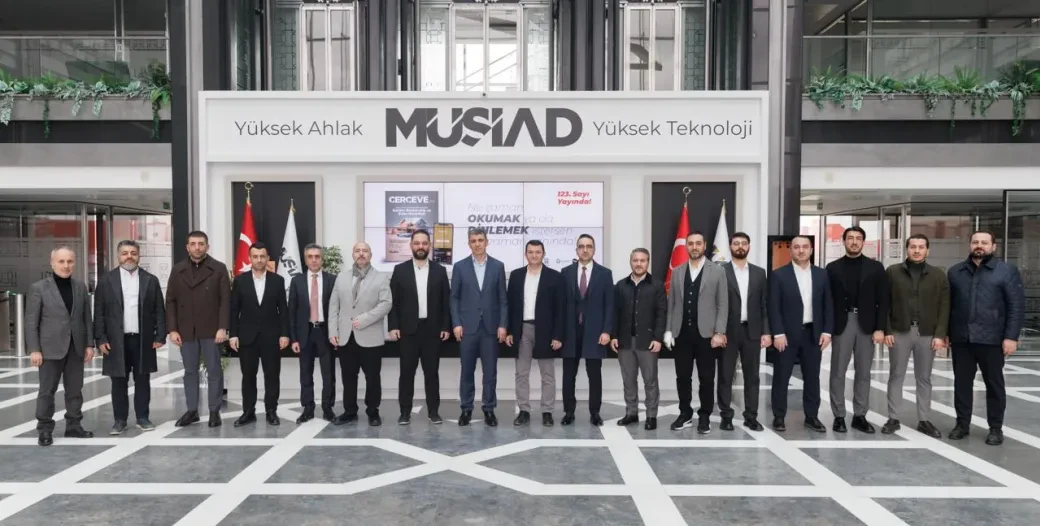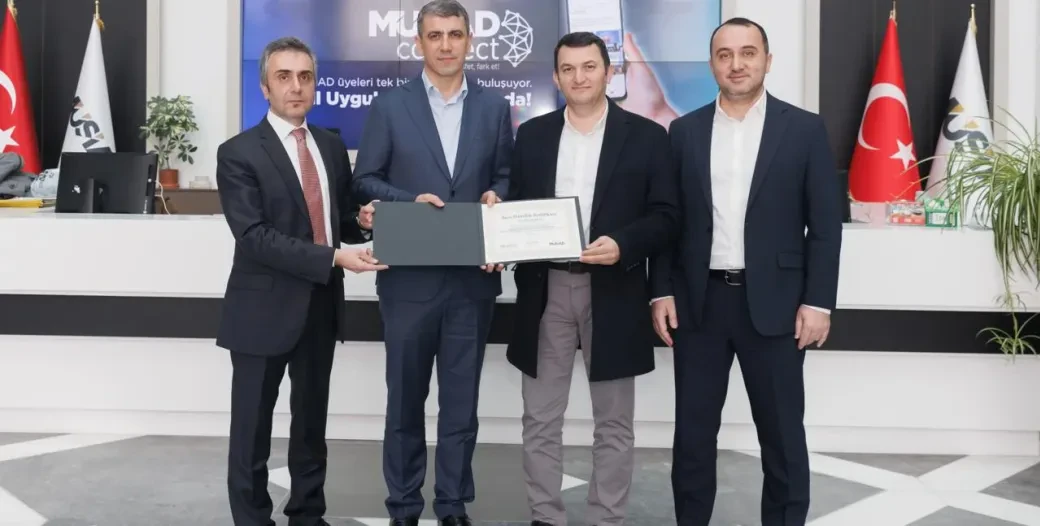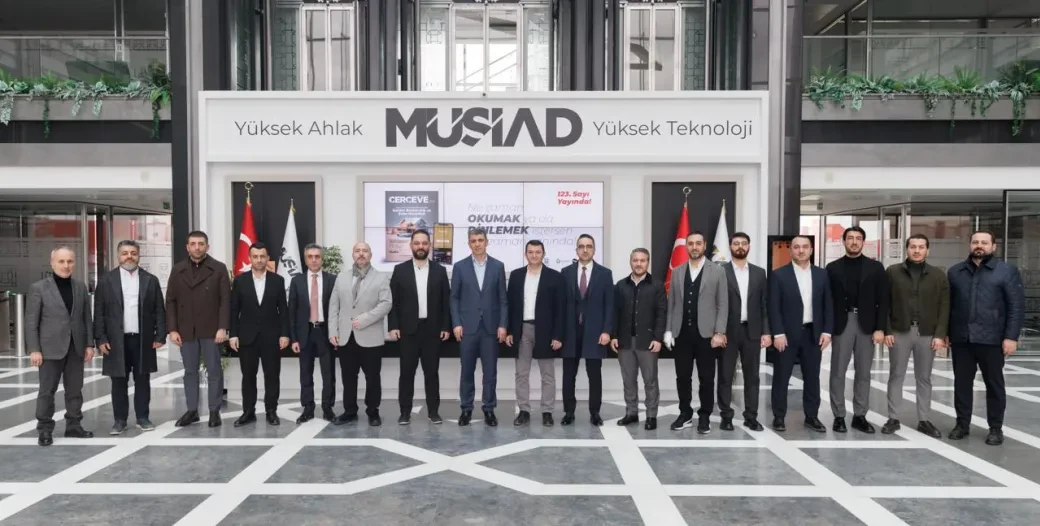
The Project Development Workshop on Public–University–Sector Cooperation, organized on 26 February 2026 by the Urban Transformation and Affordable Housing Policies Working Group operating within the MÜSİAD Construction and Building Materials Sector Board, was held at the MÜSİAD Head Office with the participation of representatives of the public sector, academia and industry.
The opening speech of the program was delivered by Ömer Kandemir, Chairman of the MÜSİAD Construction and Building Materials Sector Board. In his speech, Kandemir pointed out that urban transformation is a strategic process that increases the resilience of cities, and drew attention to the importance of the public sector, academia and industry acting in coordination in strengthening the production of affordable housing.
Within the scope of the program, the knowledge and implementation experience of stakeholders was addressed on a common ground with the aim of comprehensively evaluating the current situation in the urban transformation process, identifying the main obstacles to transformation and developing solution proposals for the problems experienced in the field. Along with the exchange of views, applicable project headings and areas of cooperation were assessed and a working approach oriented towards concrete outputs was emphasized.
From the public sector, Bağcılar Urban Design Director Nuri Çakal, Bahçelievler Zoning and Urban Planning Director Ömer Ali Baştan and Esenler Urban Transformation Director İbrahim Aslan attended the program. From academia, Asst. Prof. Dr. Vefa Okumuş from the Civil Engineering Department of İstanbul Medipol University took part in the program.
Within the scope of the study, the legal, administrative, technical and financial dimensions of urban transformation processes were addressed within the framework of headings such as planning and zoning practices, licence and permit processes, the place of municipalities and municipal companies in the process, financing models, real estate law, reconciliation and social awareness, real estate valuation, architecture and design, building material production and labour supply, and public–private sector cooperation models.
In the assessments, it was emphasized that urban transformation is not merely physical renewal but a holistic process with social, economic and legal dimensions, and that it is important to develop mechanisms that will provide speed, transparency and predictability in implementation. Applicable solution proposals were emphasized under headings such as access to financing, the strengthening of reconciliation processes and the standardization of valuation approaches.
At the end of the program, assessments were shared on compiling concrete proposals in a way that will strengthen public–university–sector interaction, on maturing joint working headings and on increasing coordination in urban transformation practices.