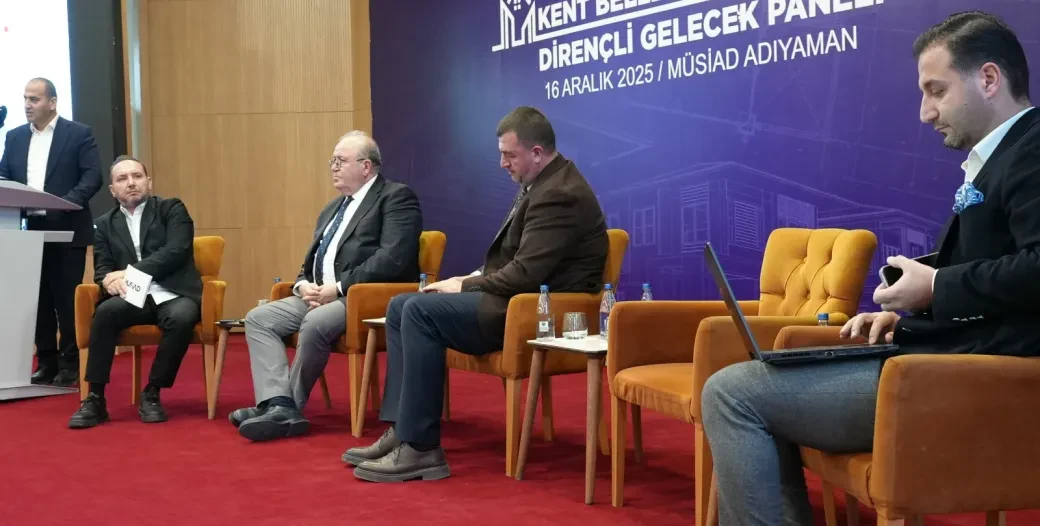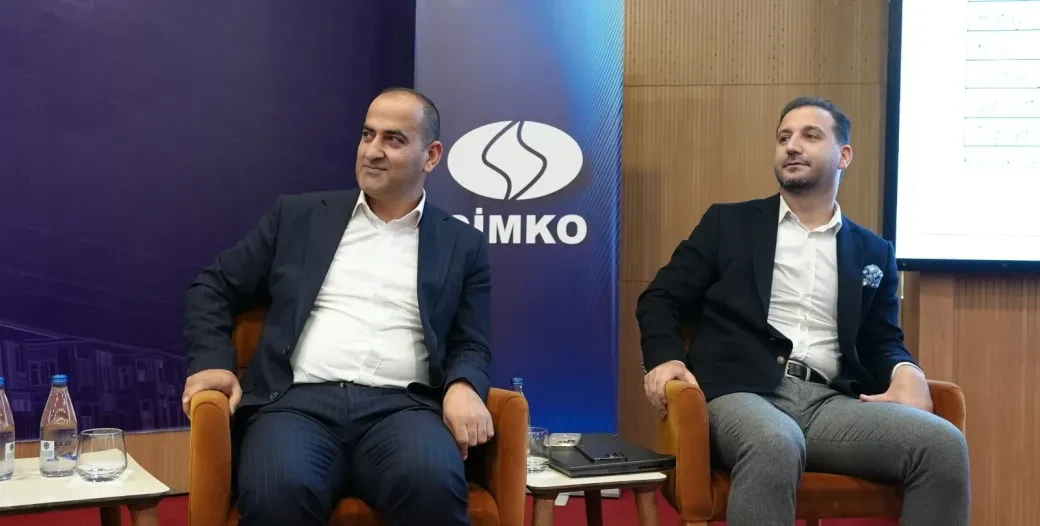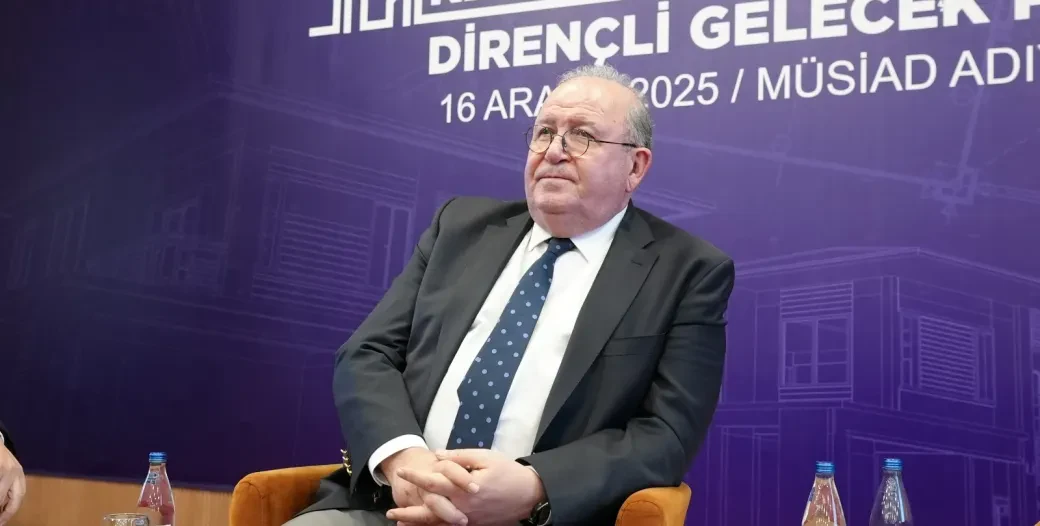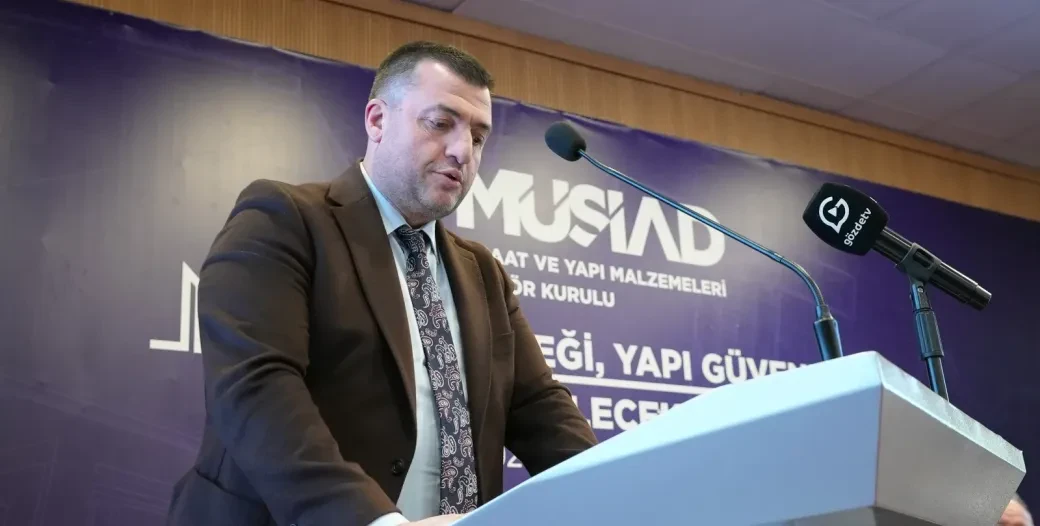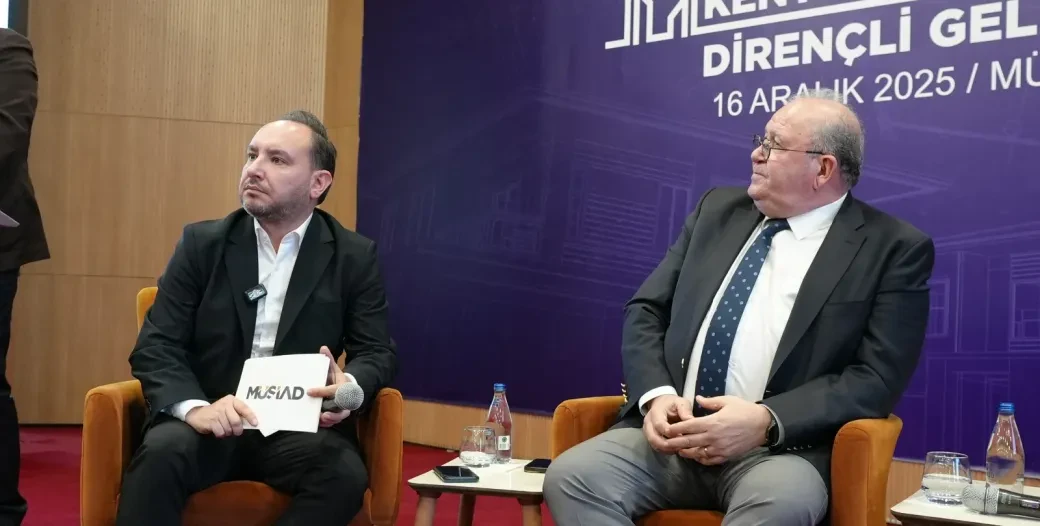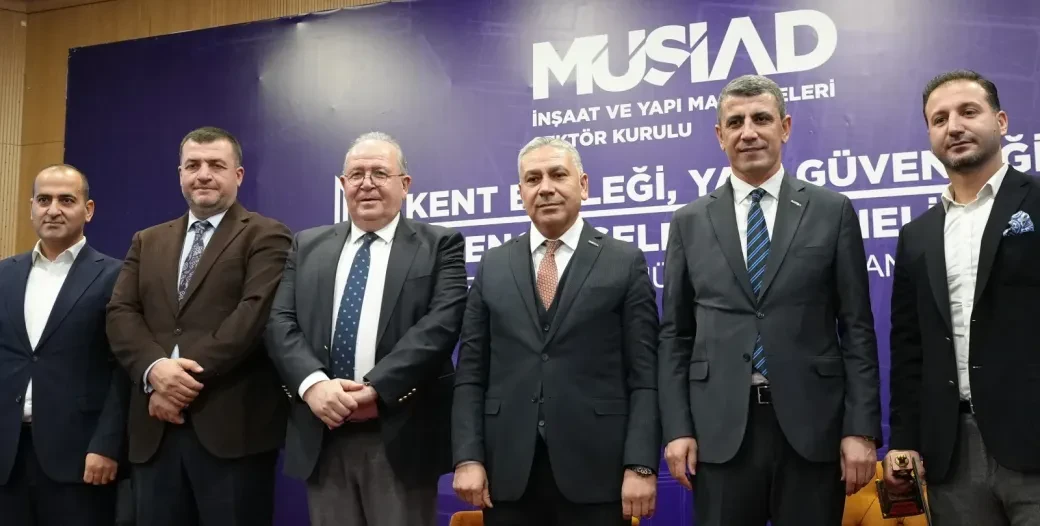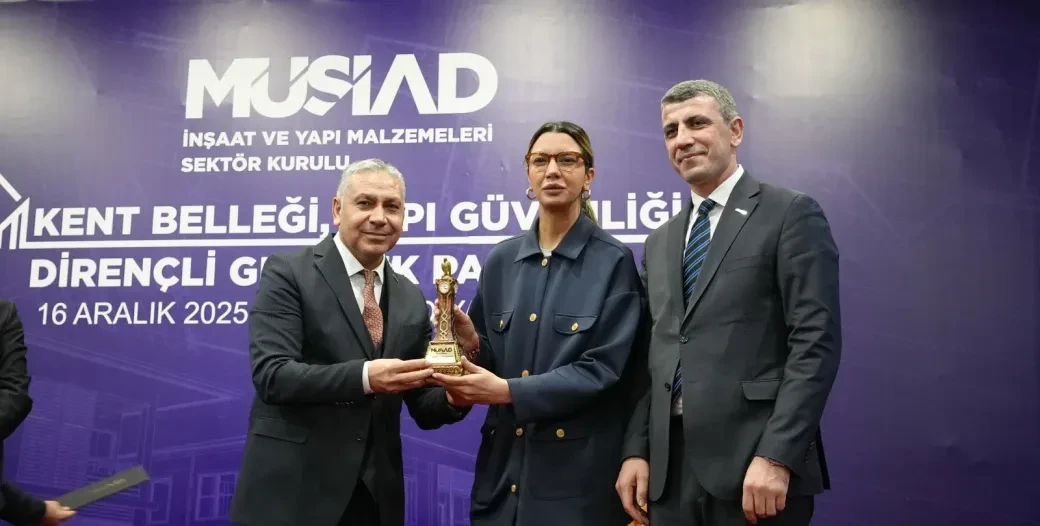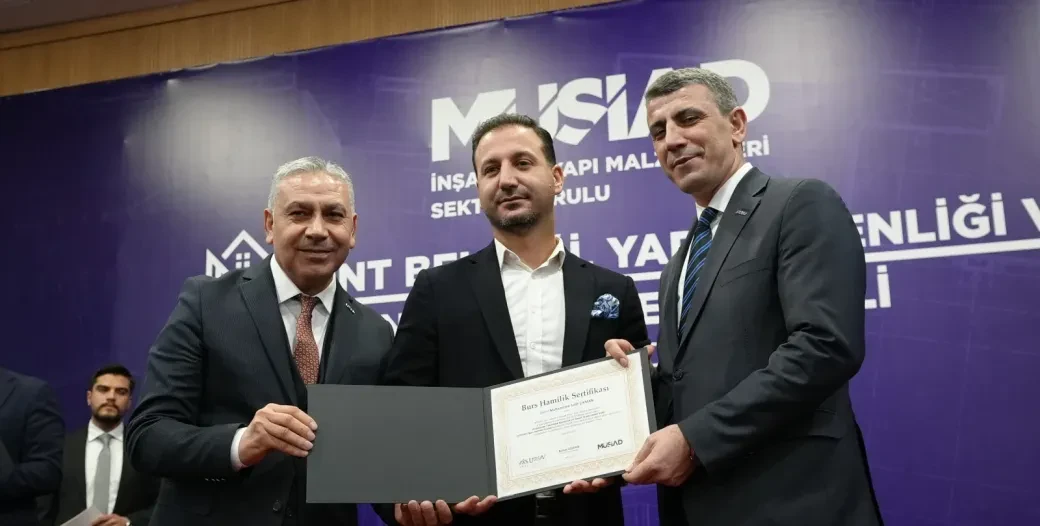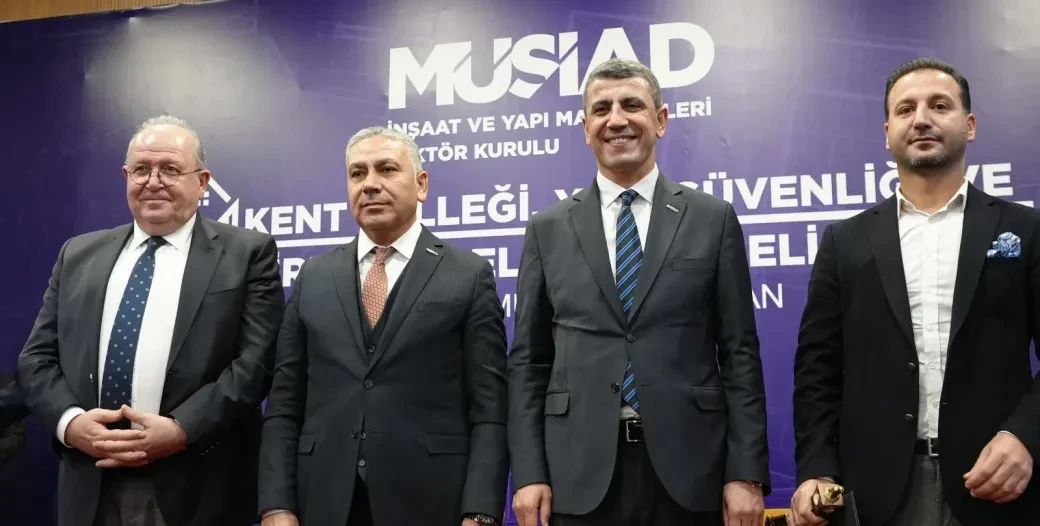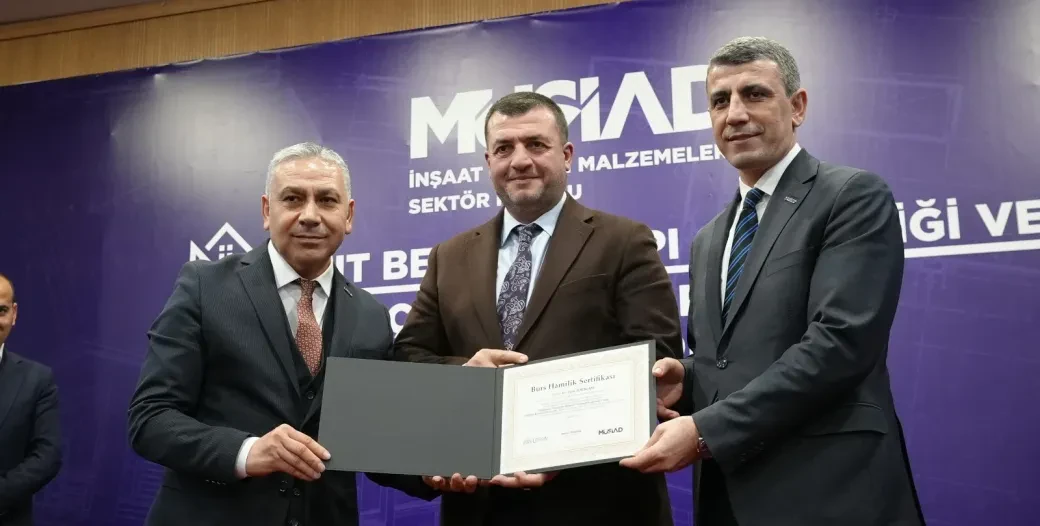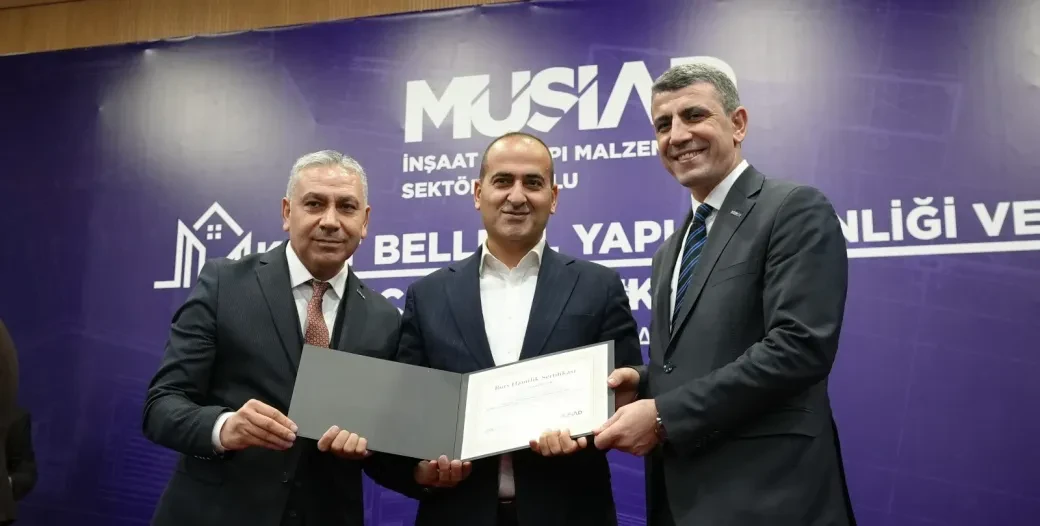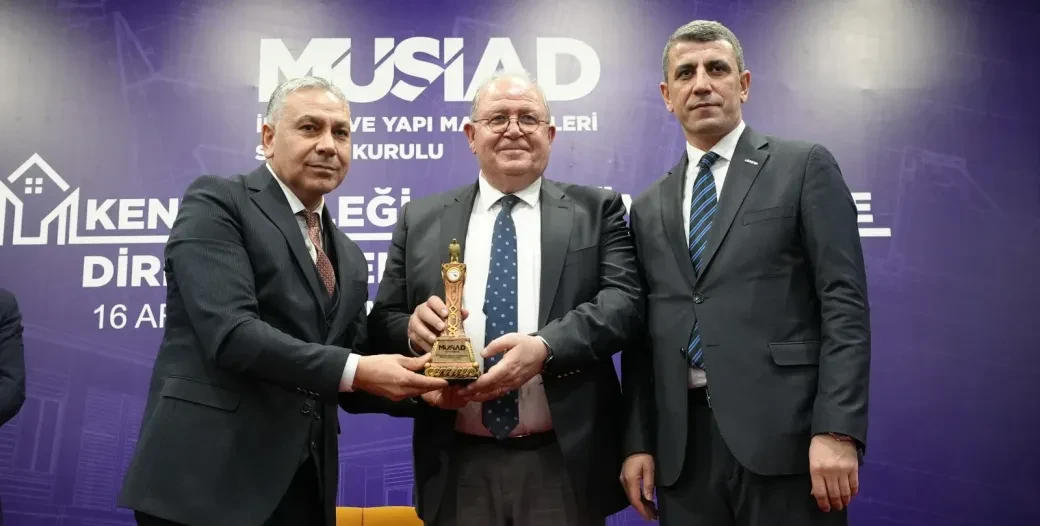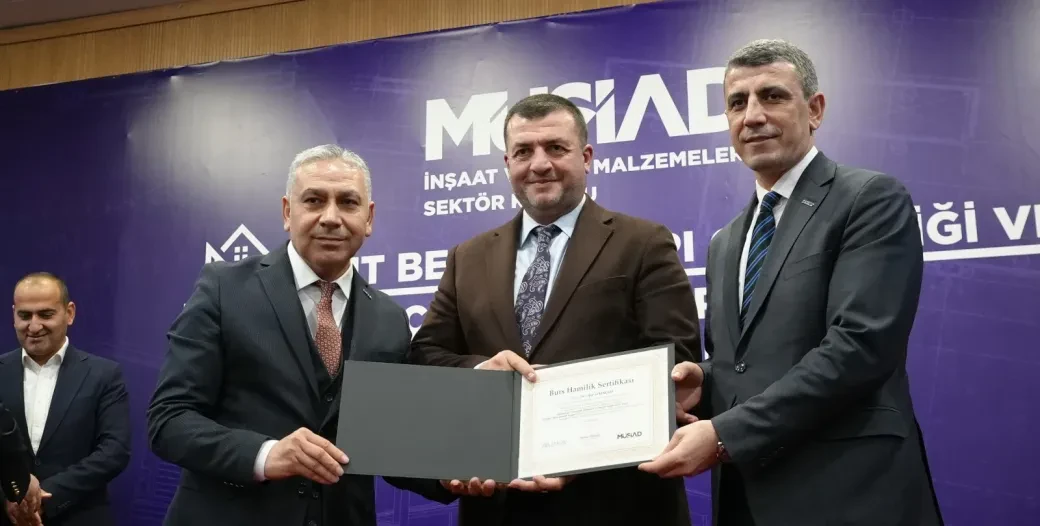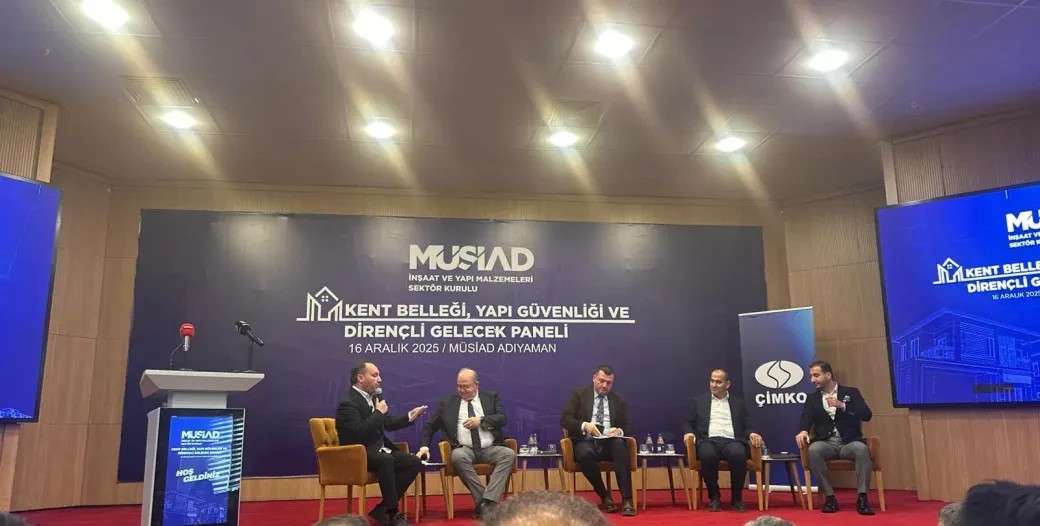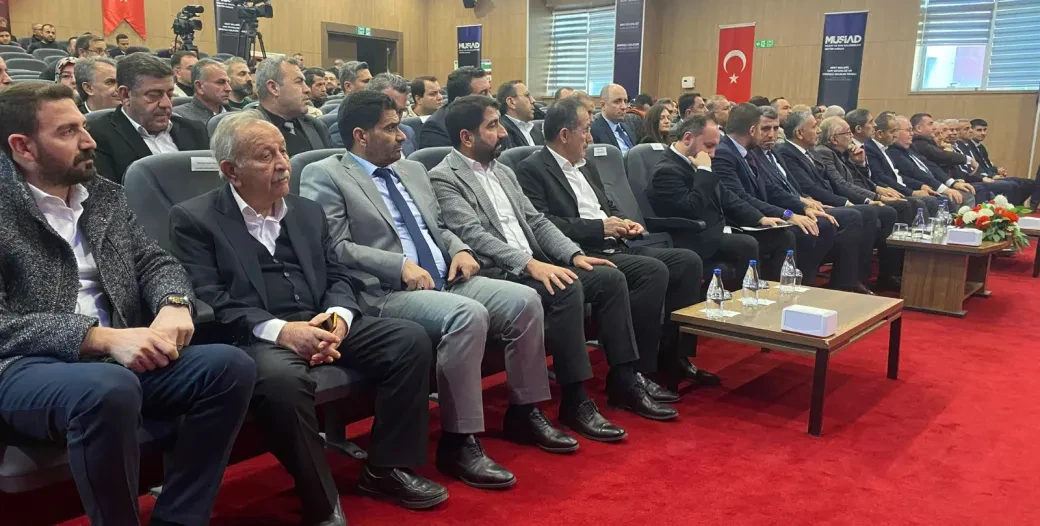
A panel titled “Urban Memory, Building Safety and a Resilient Future” was organized in Adıyaman by the MÜSİAD Construction and Building Materials Sector Board with the aim of contributing to the reconstruction process of the cities following the 6 February earthquakes. At the panel, held in Adıyaman, which was severely affected by the earthquake, the necessity of urban transformation, the strengthening of building safety through practices in the field and the preservation of urban identity during the reconstruction process were addressed.
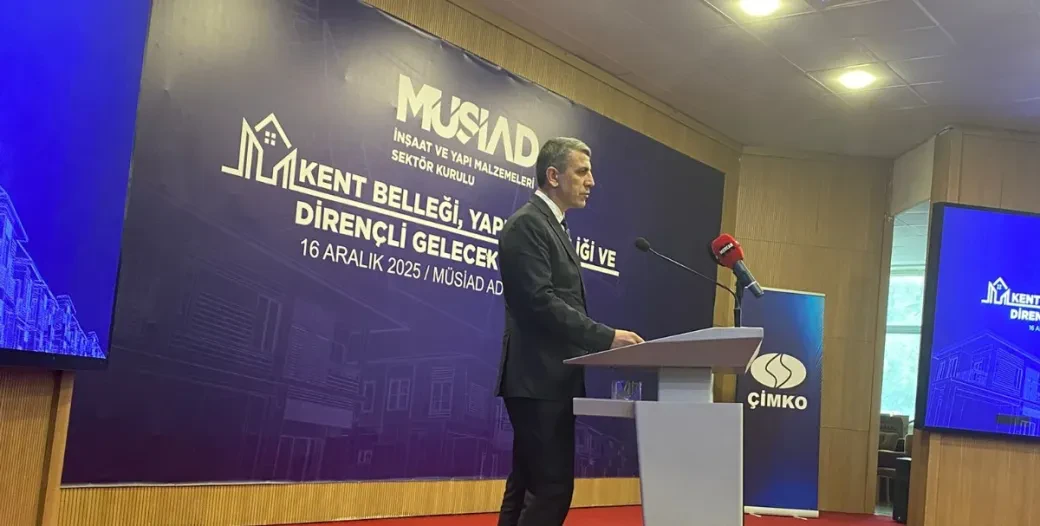
Speaking at the opening of the panel, MÜSİAD Construction and Building Materials Sector Board Chairman Ömer Kandemir drew attention to the fact that the reality of earthquakes is a matter that cannot be postponed and said: “An earthquake is not merely a disaster; it is an indicator of how we plan our cities, how we build them and how we prepare for the future. The great destruction we experienced on 6 February has once again shown all of us that urban transformation and safe building production are not a choice but a vital necessity.”
Speaking in the continuation of the panel, Dr. Uğur Serencam stated that the most fundamental problems of the risky building stock in Türkiye stem from low concrete strength, reinforcement corrosion and faulty practices in the field, and drew attention to the fact that building safety must be addressed holistically not only at the design stage but also through material quality and correct construction site practices. Serencam stated that in the risky building assessments carried out within the scope of Law No. 6306, the findings obtained from the field point to critical weaknesses such as “low concrete strength” and “large-scale corrosion in the reinforcement”.
Adıyaman Provincial Director of Environment, Urbanization and Climate Change Faysal Ergezen, for his part, shared direct data on the point reached by the work being carried out and conveyed the following information: “In the province of Adıyaman, the entitlement deduction has been carried out for those who have obtained permits due to 16,678 in-situ transformation applications so far.”
Ergezen also drew attention to the scale of the construction activities being carried out across the province, including earthquake housing and workplaces, and used the following words: “When the 3,263 workplaces being built across the province are included, a total of 75,444 independent units are being constructed directly by the state or with appropriations provided by the state.”
Evaluating the scientific framework of the panel, Geology Professor Prof. Dr. Şükrü Ersoy drew attention to the fact that, because of the East Anatolian Fault and the active fault systems around it, Adıyaman can be affected not only by nearby earthquakes but also by distant-centred earthquakes owing to ground conditions, and used the following words: “There is no place that will not be affected by earthquakes; what is truly decisive is whether buildings are constructed taking into account the geological characteristics of the ground.”
Emphasizing that earthquake risk is determined not only by distance from fault lines but also by ground structure, building quality and planning decisions, Ersoy stated that it is of vital importance for urban transformation processes to be addressed in compliance with legislation, in the light of scientific data and with a risk management approach.
He stated that it is of vital importance for this approach to be applied without delay for safer and more resilient construction throughout Türkiye, above all in İstanbul, by drawing lessons from what was experienced in Adıyaman.
MÜSİAD Construction and Building Materials Sector Board Member and architect Muhammed Salih Çıkman, for his part, emphasized the preservation of urban memory during the reconstruction process and expressed that cities will be strengthened not only through reinforced concrete production but through social and cultural continuity. With the words “An earthquake destroys not only buildings; it also destroys spaces of memory, the continuity of everyday life and the bond the city dweller establishes with the city. This is a mental destruction”, Çıkman drew attention to the importance of keeping local identity, the neighbourhood fabric and public spaces alive during the process of rebuilding; he underlined this approach with the expression “Resilience begins with memory”.
The common message that stood out at the panel was that urban transformation should be addressed along the axis of speed, quality and supervision, that building safety should be strengthened through correct practices in the field, and that the goal of resilient cities should be pursued together with “urban identity”.
Journalist Fulya Öztürk, who took the floor in the second session of the panel, shared a striking testimony about what she experienced in the field in the first hours of the 6 February earthquakes.
Recounting that while advancing in darkness, rain and cold in Kahramanmaraş after the earthquake, they stopped on a completely collapsed street, Öztürk conveyed that, with the help of a few people wandering among the rubble in silence, they noticed a faint movement coming from behind the curtain of a building. Stating that the struggle of a child trapped under the rubble to hold on to life made itself known through the swaying of the curtain, Öztürk said that this moment was the beginning of a rescue process.
Also touching upon the communication and coordination difficulties experienced at that moment, Öztürk stated that under conditions where there was no internet access they made great efforts to reach the authorities; and that following the contact established with the Provincial Police Directorate and the crisis desk, search and rescue teams were swiftly directed. Emphasizing that with the arrival of the teams at the scene the child under the rubble held on to life, Öztürk expressed that this rescue was etched into memory as one of the miraculous moments experienced in the first days of 6 February.
Fulya Öztürk stated that what was experienced was not merely a rescue story; it was at the same time a powerful example showing how vital disaster preparedness, rapid coordination and human will in the field are.