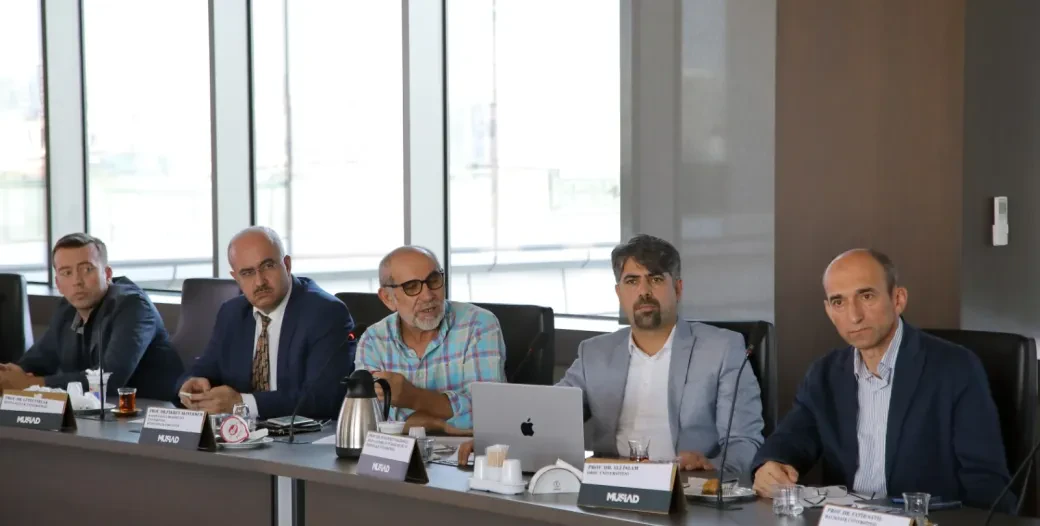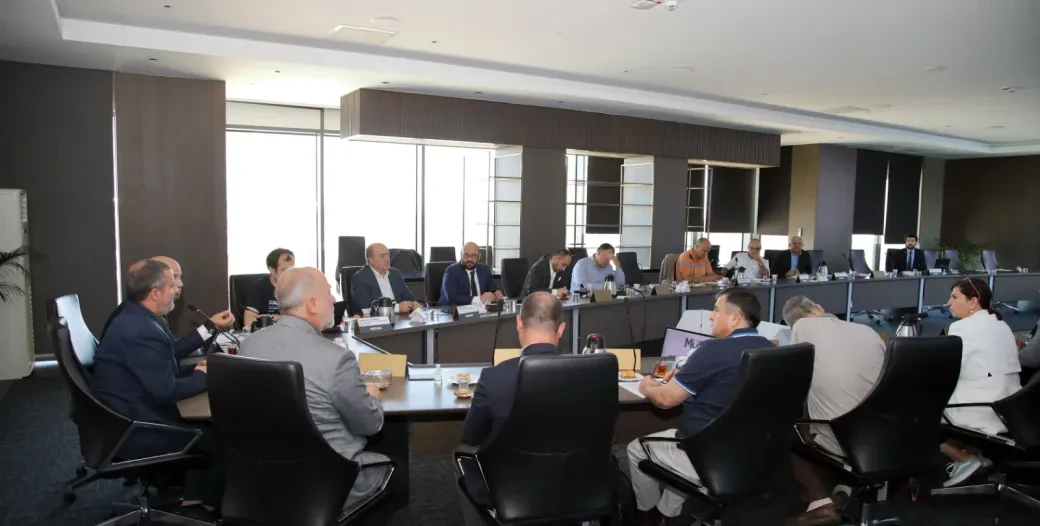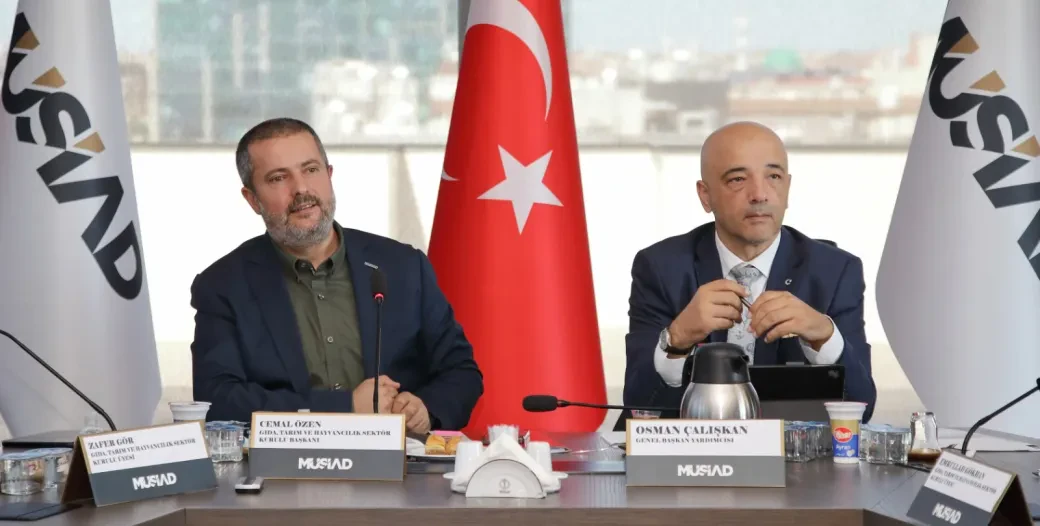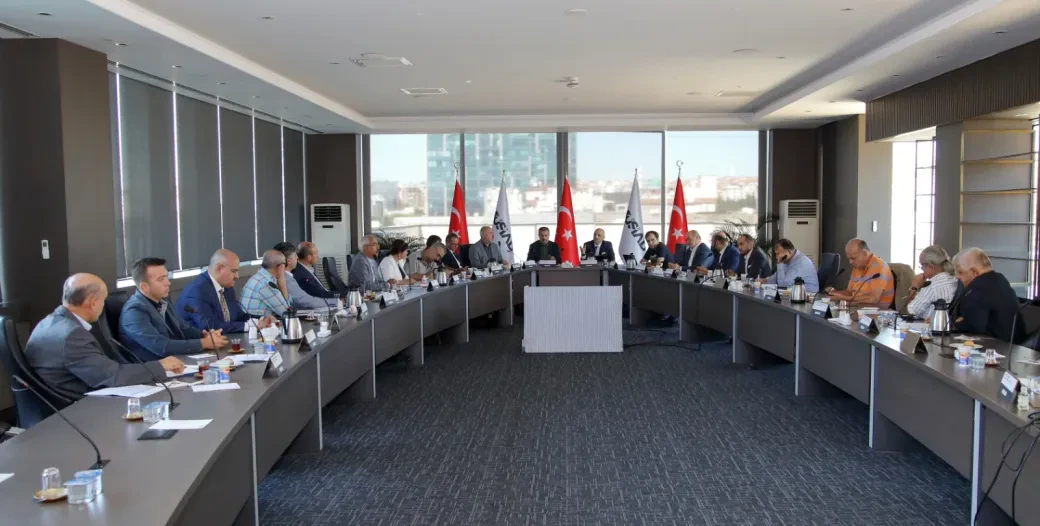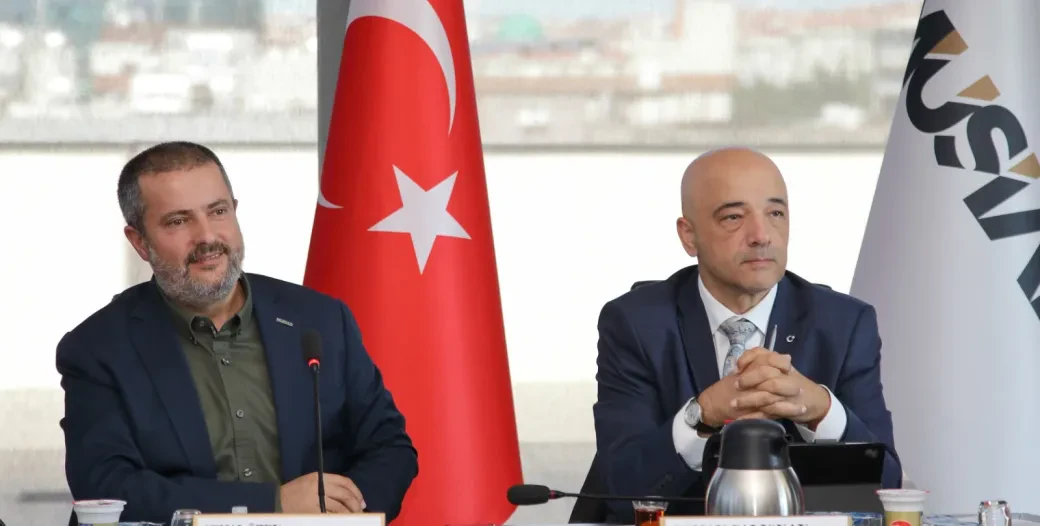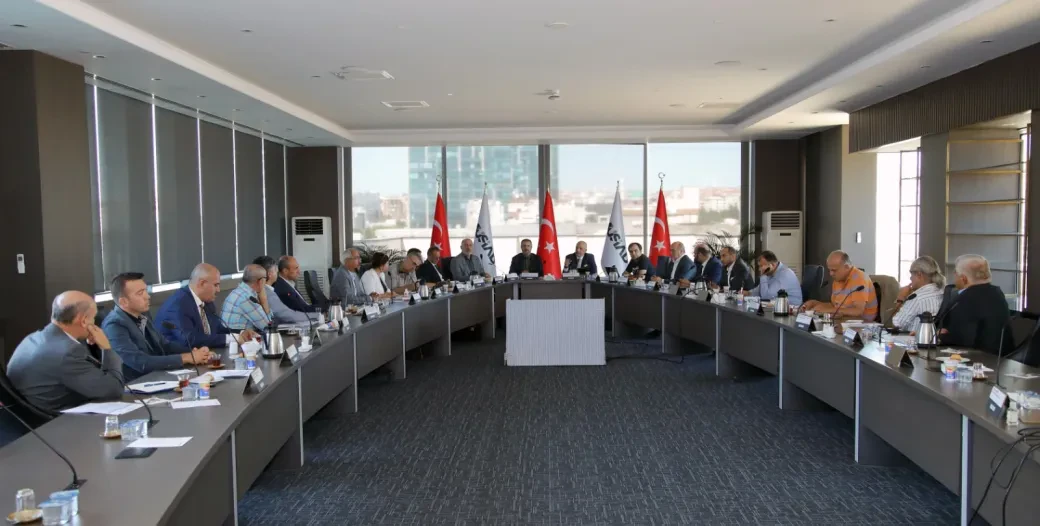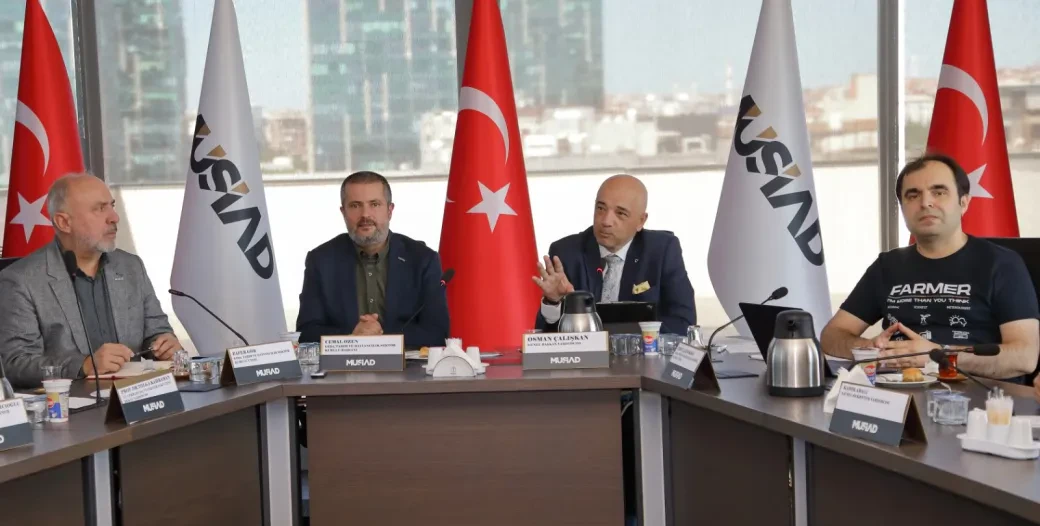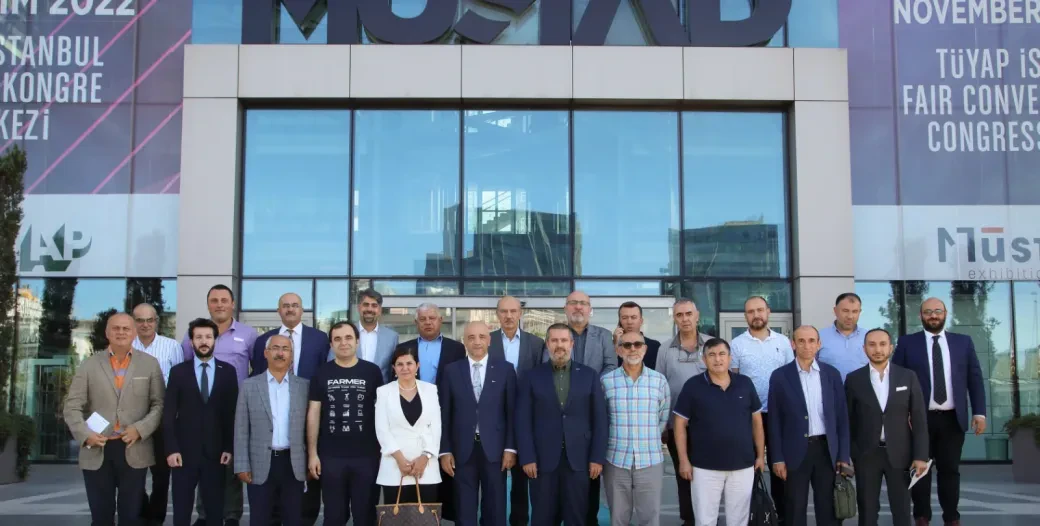
Under the coordination of the MÜSİAD Food, Agriculture and Livestock Sector Board, the Academic Board meeting was held at MÜSİAD Head Office with the participation of faculty members from 12 universities and of veterinarians.
A meeting covering the fields of food, agriculture and livestock was held at MÜSİAD Head Office with the participation of academics who are experts in their fields. Prof. Dr. Mehmet Çalıcıoğlu, Dean of the Faculty of Veterinary Medicine at Fırat University; Prof. Dr. Tolga Kahraman, Deputy Dean of the Faculty of Medicine at İstanbul University; Prof. Dr. Fikret Akınerdem, faculty member at Konya Selçuk University; Dr. Tamer Çalıkoğlu, retired faculty member; Assoc. Prof. Dr. Davut Keleş, Head of the Horticultural Crops Department at the General Directorate of Agricultural Research and Policies (TAGEM); Prof. Dr. Sami DOĞANLAR, faculty member at İzmir Institute of Technology; Prof. Dr. Muhammet Şakiroğlu, faculty member at Adana Alparslan Türkeş Science and Technology University; Prof. Dr. Ali İslam, faculty member at Ordu University; Prof. Dr. Lütfi Pırlak, faculty member at Konya Selçuk University; Prof. Dr. Fatih Satıl, faculty member at Balıkesir University; Prof. Dr. Nazan Koluman, faculty member at Çukurova University; Veterinarian Mehmet Yerişenoğlu; Veterinarian Ali Akkaşoğlu; Bilal Çakır, Deputy Laboratories Coordinator at İstanbul Sabahattin Zaim University; and Veterinarian Dr. Can Demir attended the meeting.
At the meeting, where the MÜSİAD Agriculture Strategy and the food waste and livestock reports were presented, sectoral problems and proposed solutions, the steps to be taken in the short, medium and long term, the activities to be carried out in this context by the Academic Board that has been established, and ideas on what the structure, strategic targets and working methods of the board should be were discussed.
At the meeting, where the topics of sustainable agriculture, food waste, food security, food and agriculture policies and the problems of the business world were addressed, it was stated that the goal should be to secure food security and to produce plant and animal products with techniques that protect the environment, public health, societies and animal welfare. Views were expressed that, to this end, activities extending from the selection of the products and species to be grown to the promotion of renewable energy sources that will reduce the need for fossil fuels; from logistics optimization to the supply of healthy products and to the use of agricultural pesticides and fertilizers that will make soil fertility permanent; and from practices that will strengthen biodiversity and water saving to waste management should be addressed.