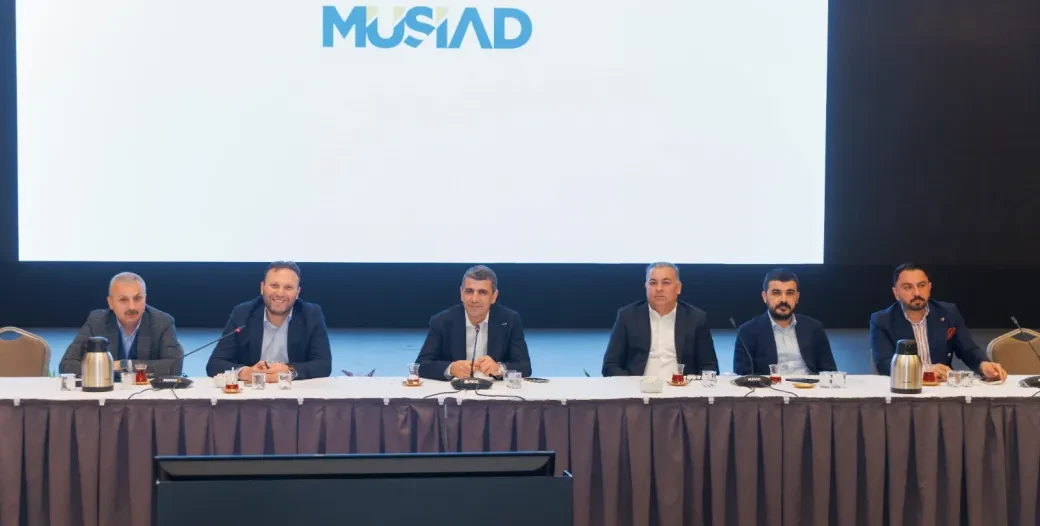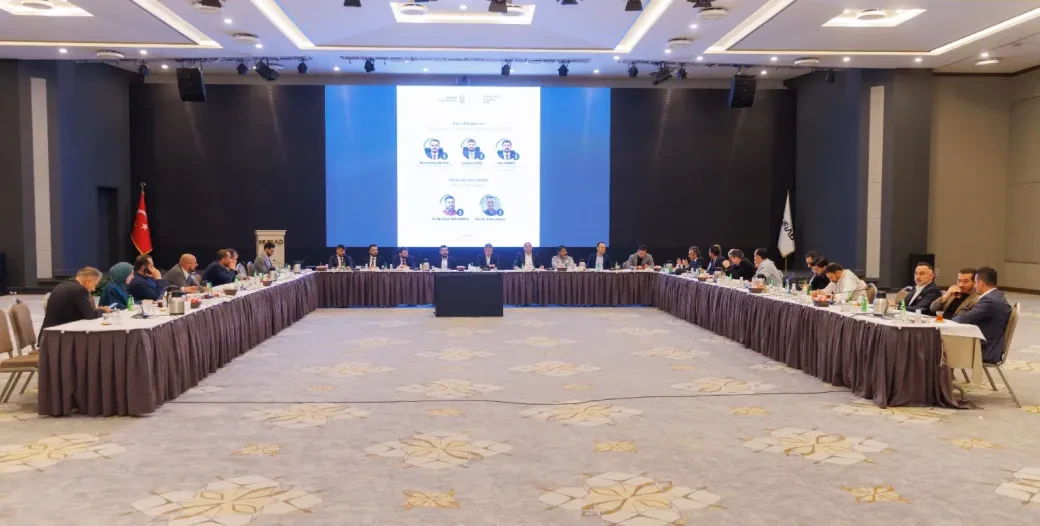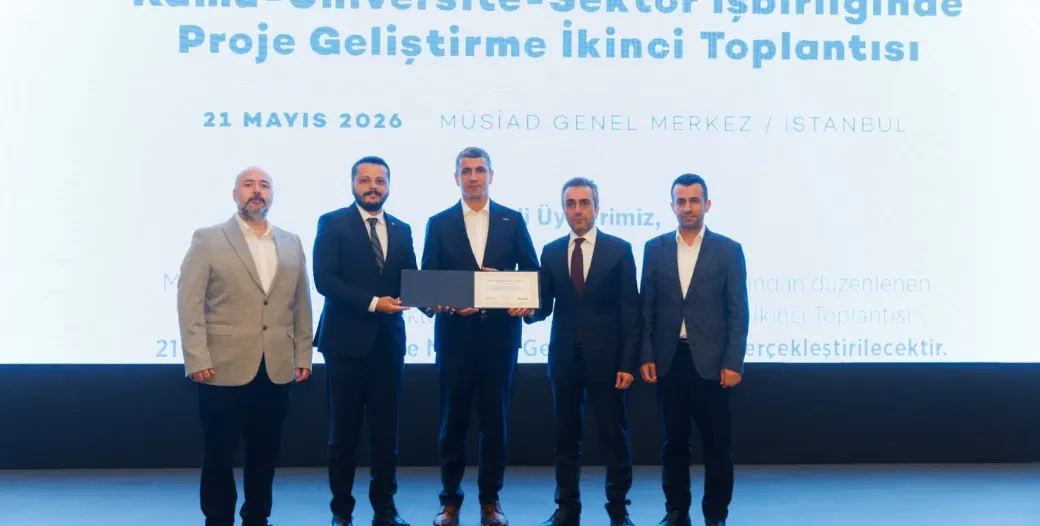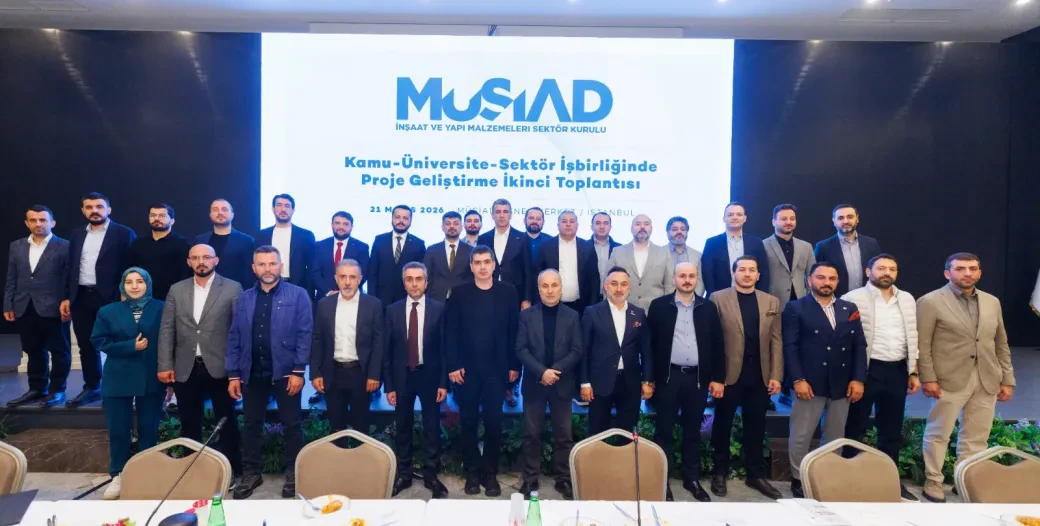
The second of the “Project Development in Public-University-Private Sector Cooperation” programs was held by the MÜSİAD Construction and Building Materials Sector Board with the aim of strengthening cooperation between the public sector, universities and the private sector.
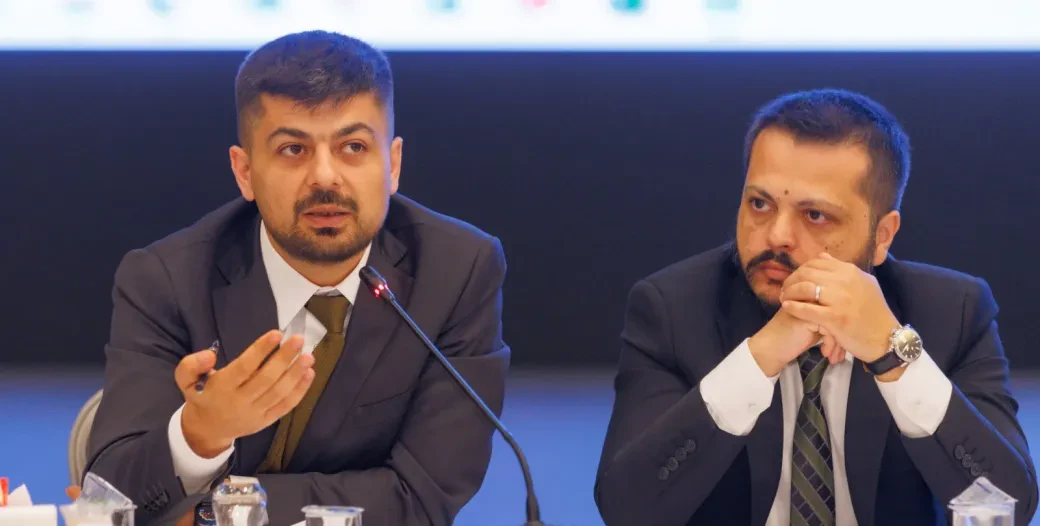
Within the scope of the program, urban transformation processes, implementation topics encountered in the field, project development models and issues concerning the development of public-university-private sector cooperation were addressed. At the program organized with the participation of members of the MÜSİAD Construction and Building Materials Sector Board, the field experience of sector representatives was evaluated together with representatives of the public sector and academia.
The program was attended by Marmara Risky Buildings Department Head Mehmet Emin Beyazıt, Transformation Services Department Head Oğuzhan Çitçi and Transformation Applications Department No. 1 Head Enes Gürpüz from the Marmara Urban Transformation General Directorate. On the university side, Asst. Prof. Dr. Vefa Okumuş and Assoc. Prof. Dr. Atakan Mangır from Medipol University took part in the program.
At the previous meeting of the program series, Bağcılar Urban Design Director Nuri Çakal, Güngören Zoning and Urbanisation Director Muhammed Taha Sevgün, Bahçelievler Zoning and Urbanisation Director Ömer Ali Baştan and Esenler Urban Transformation Director İbrahim Aslan took part as public sector participants. At the same program, Assoc. Prof. Dr. Atakan Mangır and Asst. Prof. Dr. Vefa Okumuş from the Civil Engineering Department of the Faculty of Engineering and Natural Sciences of Medipol University also contributed.
At the meetings, assessments were made on the differences in implementation experienced in urban transformation processes, the needs encountered in local governments, building and project development processes, and the sector's topics awaiting solutions.
The MÜSİAD Construction and Building Materials Sector Board continues its work with the aim of creating a common ground of collective wisdom for the needs of the sector and of developing cooperation with public institutions and the academic world.