A New Economic Era for a Sustainable Future
The “Transition from a Consumption Economy to a Contentment Economy - Sustainable Economy Report” prepared by MÜSİAD and UTESAV (International Technological, Economic and Social Research Foundation) emphasizes the necessity of a transition to an economic model that prevents waste and encourages the more efficient use of resources. The report draws attention to the roles of all economic actors, from individuals to companies and state institutions, in this process.
The Priority Issue Is Saving and the Efficient Use of Resources
The report touches in particular on the negative effects of excessive consumption tendencies at the level of individuals and households on the economy and the environment. It is stated that one fifth of the food produced in the world is wasted and that this waste causes not only an economic but at the same time an environmental disaster. Among the report's recommendations are the reduction of food waste, the spread of smart home technologies and similar developments, and household consumption such as energy consumption being made more controlled in every item.
A Circular Economy Proposal for Companies
The report emphasizes that the real sector too must prevent the waste of resources and move to the circular economy model. Companies taking steps in fields such as waste management, energy efficiency and recycling will both reduce costs and minimize environmental effects. The report emphasizes that production processes based on the circular economy will increase the competitive advantage of companies, and the importance of the incentives to be given in this field.
The State's Role of Efficiency in Public Spending
The role of the state in the economy is also addressed in detail in the report. Recommendations are presented on the subjects of public spending being planned in a way that prevents waste, green economy policies being implemented and social justice being ensured. Attention is also drawn to the fact that the state acting with a consciousness of saving is critical in terms of the sustainability of the economy.
Green Transformation and Sustainable Development
The report emphasizes that the green economy is of vital importance for sustainable development. The importance of companies and the state adopting environmentally friendly policies, increasing energy efficiency and reducing carbon emissions is addressed. It is stated that the circular economy and green transformation offer important opportunities not only for the environment but at the same time in terms of economic prosperity.
A Stable and Sustainable Economic Structure
Within the scope of the report, it is argued that in order to make Türkiye's economic growth sustainable and to create a stable economic structure in the long term, policies aimed at preventing waste and using resources efficiently must rapidly be put into practice. The report states that the taking of the necessary steps for consumption habits to change, for the state to make efficient public expenditures and for companies to adopt the circular economy model will carry Türkiye to a competitive and sustainable economy.
In a World Where Resources Are Limited We Must Act Collectively for Sustainable Development
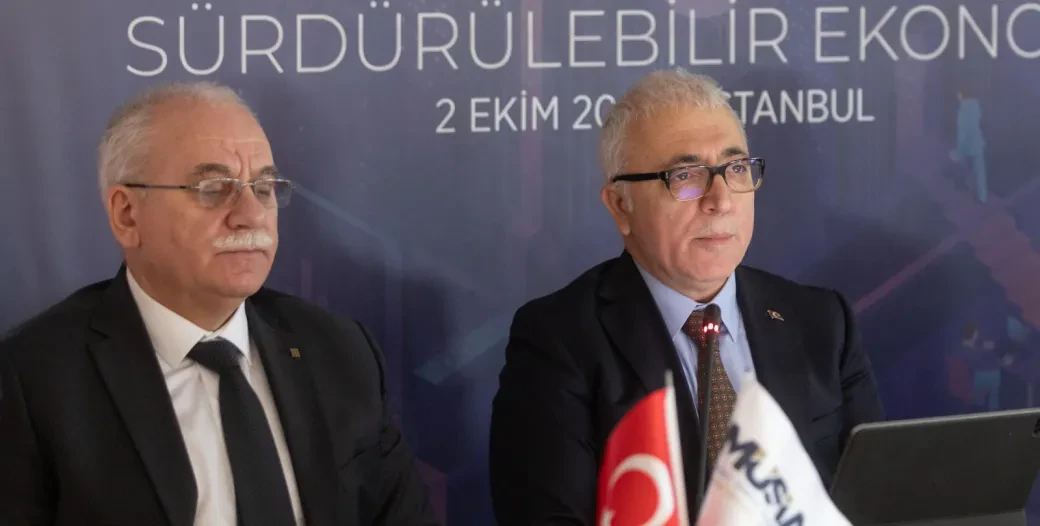
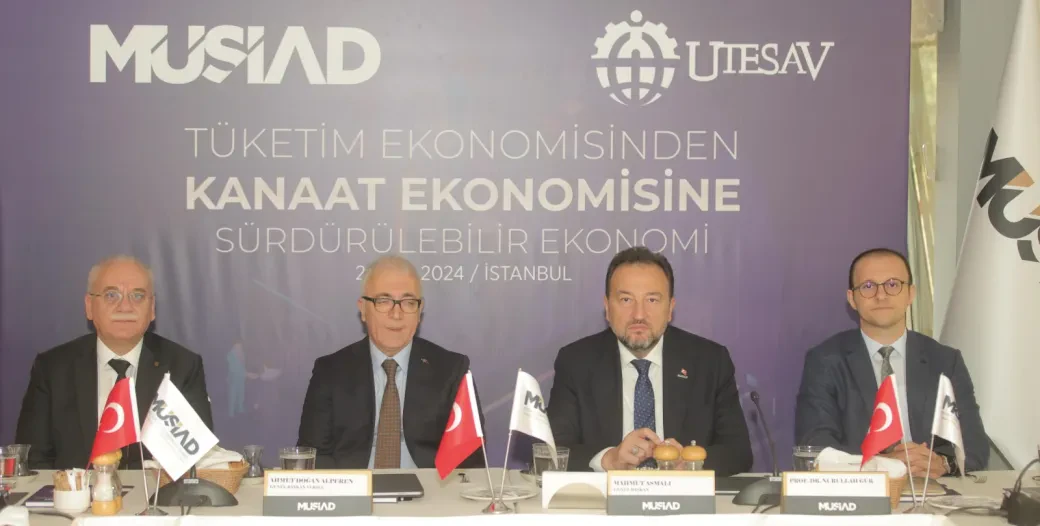
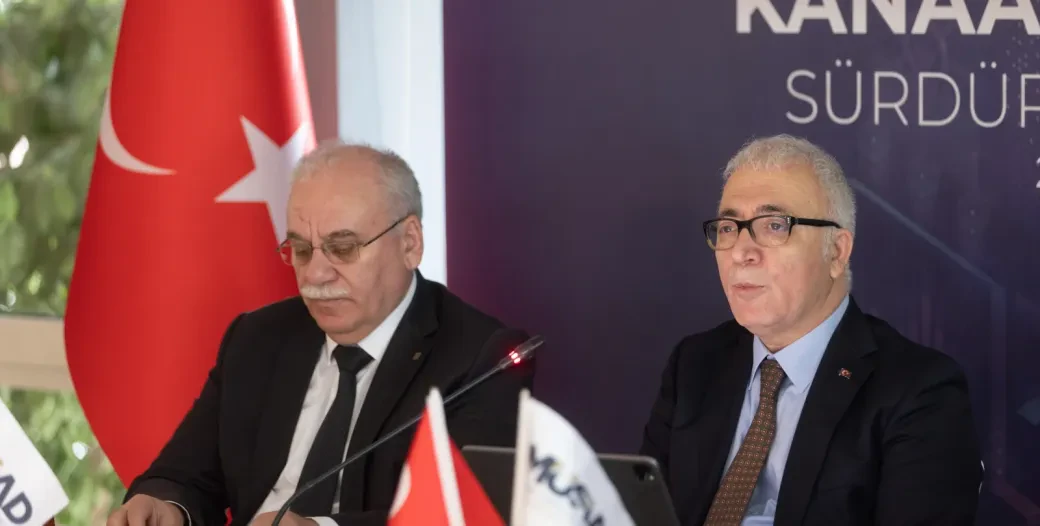
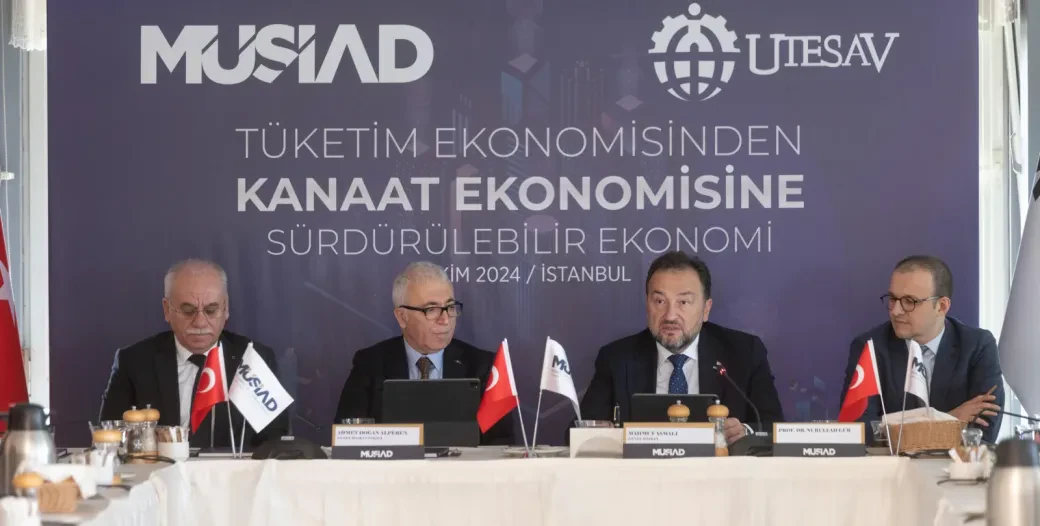
In his speech, UTESAV Chairman Ahmet Doğan Alperen emphasized that the world continues to grow richer but that resources have been limited from the very beginning. "Real life is not as easy and comfortable as it is presented on social media. We must all take responsibility in order to leave a more liveable world to our children," he said. Stating that the structure of social media, and especially of capitalism, that encourages consumption triggers financial crises and environmental threats, Alperen voiced that advertisements and the content we are constantly exposed to affect our subconscious and manipulate our perception of need.
Alperen emphasized that in order for sustainable development to be achieved, individuals, companies and the state must act together. "As is also commanded in the Holy Qur'an, 'Eat and drink, but do not waste.' Excessive consumption triggers borrowing and prevents the efficient use of resources," he said. Touching on the importance of the consciousness of saving being taught starting from kindergarten and throughout educational life in order to leave a more sustainable world to future generations, Alperen expressed that this consciousness must be spread.
The Transition from a Consumption Economy to a Contentment Economy Is Essential
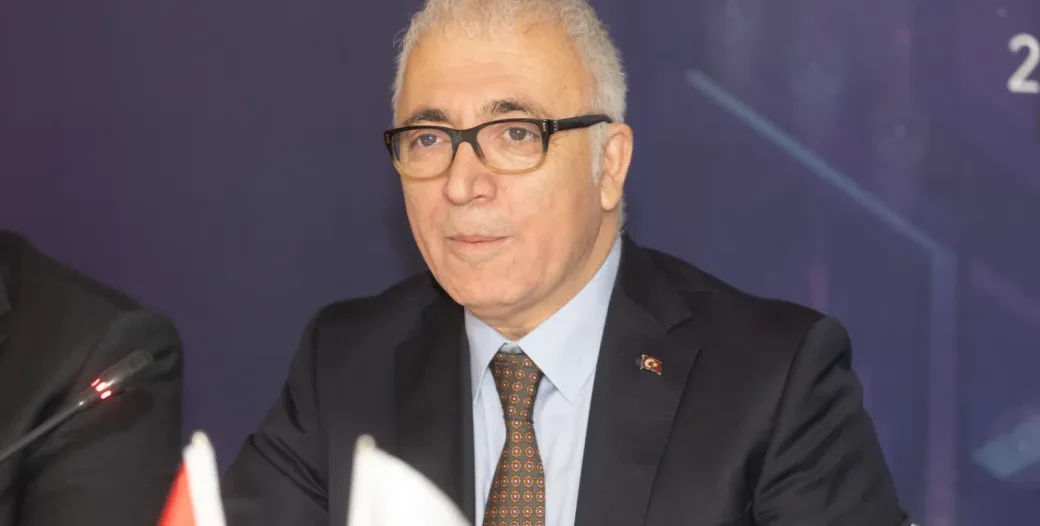
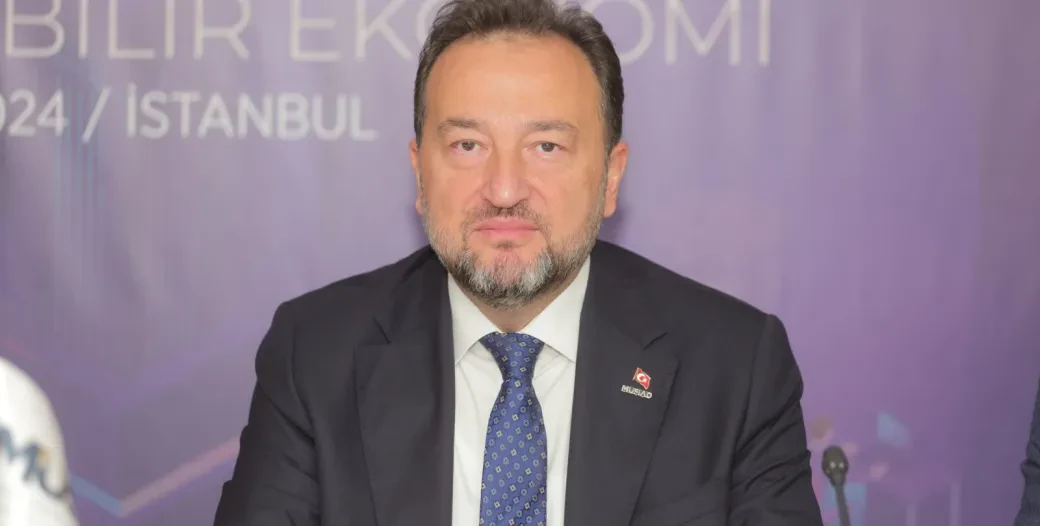
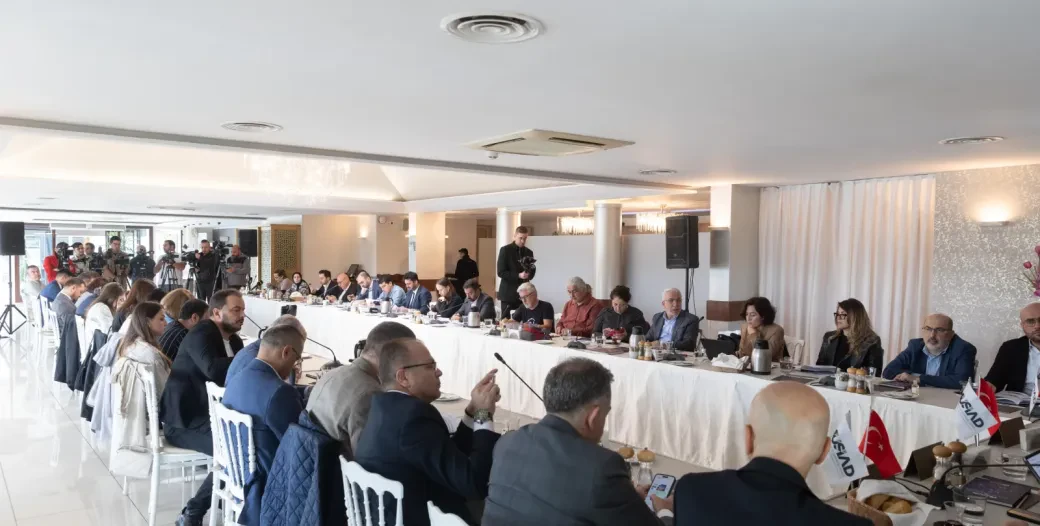
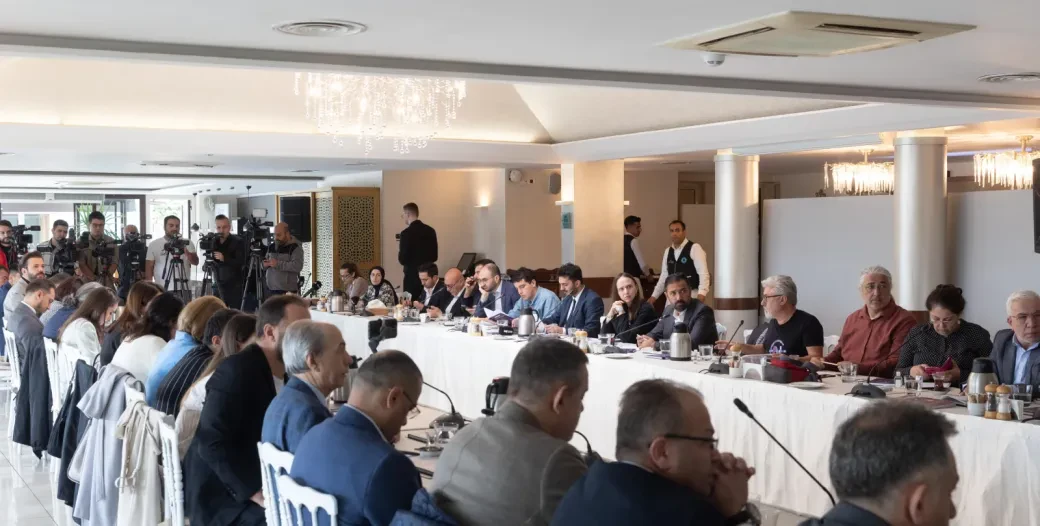
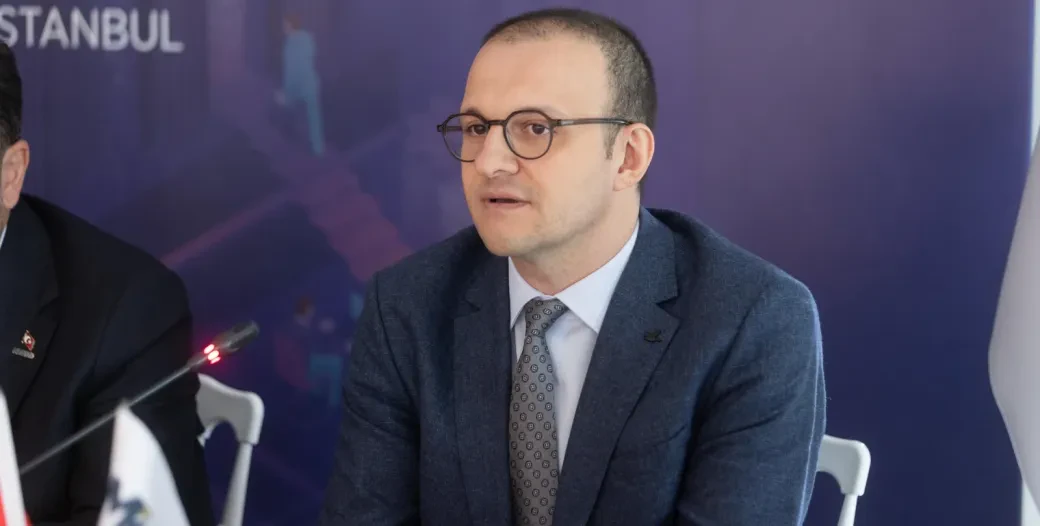
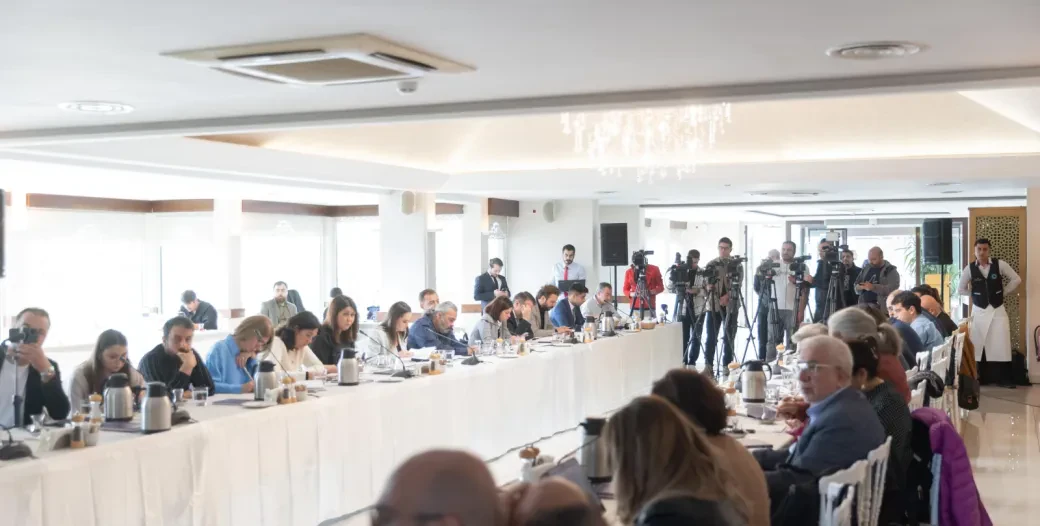
In his speech at the meeting, MÜSİAD President Mahmut Asmalı stated that the report offers a critical road map in terms of the future of Türkiye's economy and emphasized that excessive consumption and the waste of resources lead not only to economic but also to environmental disasters. Asmalı said, "The transition from a consumption economy to a contentment economy is a vital responsibility in terms of the efficient use of resources and the ensuring of saving for individuals, companies and the state alike." Touching on the findings featured in the report, he expressed that %20 of the food produced worldwide is wasted and that the annual economic value of this loss is USD 1 trillion.
The Circular Economy Is a Critical Step for Companies
Stating that the transition to the circular economy is an important step for the real sector, Asmalı voiced that increasing resource efficiency will both lower companies' costs and reduce their environmental effects. "It is estimated that the transition to the circular economy will offer the global economy a growth opportunity of USD 4.5 trillion. Our companies must minimize the amount of waste and ensure that materials remain in the economy for as long as possible," he added. In addition, emphasizing that the state too must take responsibility on the subject of the efficient use of public spending, Asmalı said, "the state must develop effective policies in order to prevent waste, but must ensure a balanced budget management without turning to excessive austerity policies."
The Efficient Use of Resources Is the Fundamental Problem of the Economy
The editor of the report, Prof. Dr. Nurullah Gür, who delivered a speech at the meeting, for his part touched on the theoretical foundations of the report and expressed that although resources worldwide are sufficient for people's lives, greed and inefficient consumption decisions have rendered these resources insufficient. "Understanding the balance of limited resources and unlimited needs taught in the science of economics is of critical importance for economic actors to take conscious decisions," he said. Gür stated that the fundamental cause of excessive borrowing and of financial crises is also this unconscious consumption tendency.
The Key to Sustainable Development Is Saving and the Correct Use of Resources
Gür emphasized that sustainable development has two fundamental keys: Saving and the efficient use of resources. "Without shrinking the economy, we need to focus on how we can create sustainable growth and a system in which resources are used correctly," he said. Gür also stated that instilling a sense of patience and confidence in the young generations is important in terms of supporting financial development. "Even though our borrowing rates are at low levels today, we must give young people saving habits for an economy more resilient to financial crises in the long term," he added.